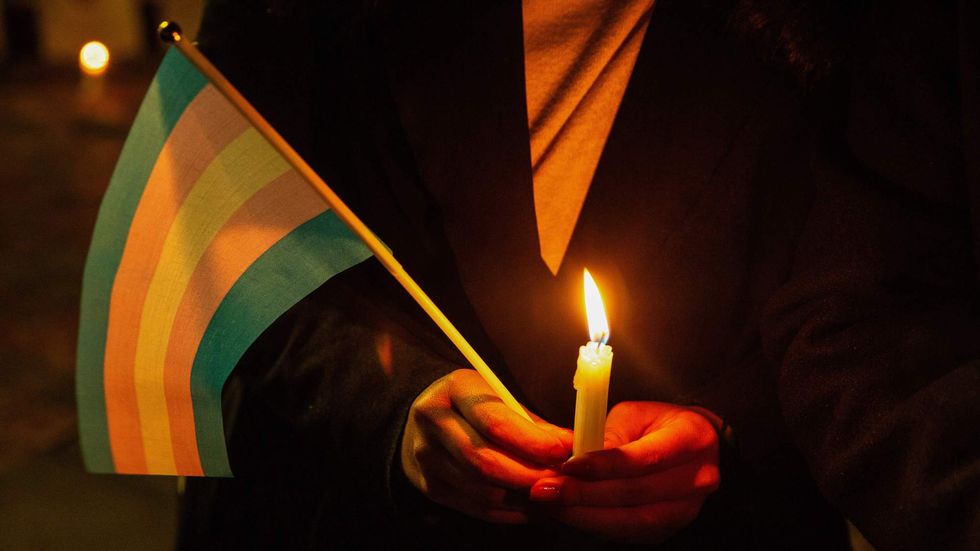
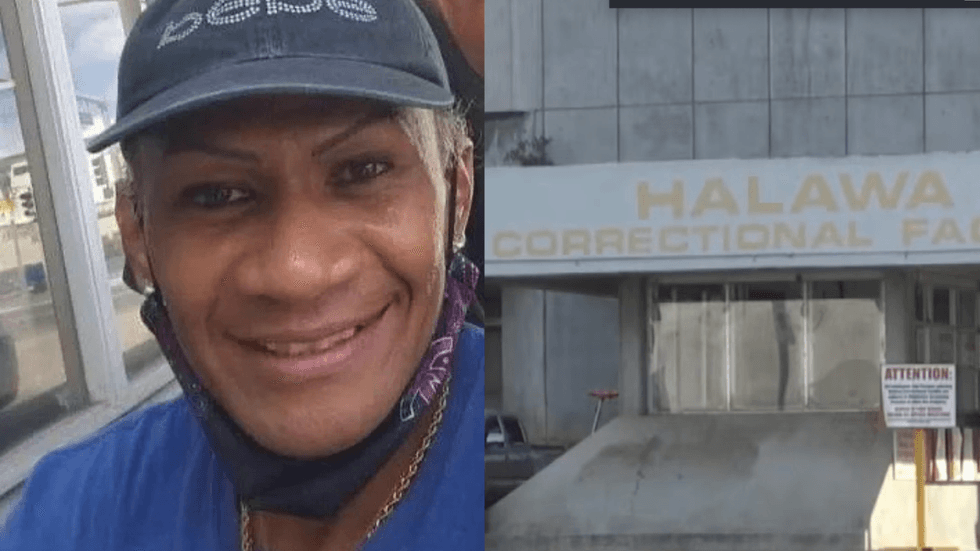
Democrats had a big night on November 3. They flipped Senate seats that few pundits thought they could win, elected a historic class of LGBTQ+ leaders, and are poised to control both chambers of Congress. Jaelynn Scott of Washington state will be the first Black trans woman to serve in a state legislature, and Allison Montgomery is set to become Alabama’s first transgender state lawmaker. “I’m not here for myself,” Scott said after her win.Those gains in representation are worth celebrating. But two decades of organizing, advocacy and work to change the culture have taught me that celebration without a reckoning is how winning coalitions lose the next fight. Winning is the start of the work.I know what it means to be cast as a wedge. I spent years organizing Asian Americans, a community often held up as a “model minority” and pitted against Black Americans. That work meant confronting anti-Blackness in Filipino and Asian American communities and building solidarity with Black communities. It meant bringing a delegation of artists to Ferguson. It also meant following the lead of Marissa Miller, a Black trans woman, and supporting partnerships for the first National Trans Visibility March. The lesson has stayed with me. Solidarity means following the lead of the people most affected.On the same ballots that delivered this wave, voters in four states approved five measures targeting transgender people. Arizona and Nebraska passed sports restrictions by wide margins. Arizona’s measure also restricts access to school restrooms. Washington, where Democrats hold most state and federal offices, approved Measure 638, a ban on trans girls competing in girls’ sports. “Look at 638 and know that we’re going to fight, and we’re going to fight hard, to undo it,” Scott said. Colorado approved both a sports ban and a ban on gender-affirming surgery for minors. Only Missouri’s Amendment 3, which paired an abortion rollback with a ban on care for trans youth,
Op-ed: On Trans Day of Remembrance, Democrats owe Black trans women more than mourning
This is a summary from The Advocate. Read the complete article on their website.
Read Full Article on The Advocate
Opens in a new tab. QueerLine is not responsible for third-party content.
The Advocate
This article was automatically aggregated from The Advocate, a trusted LGBTQ+ news outlet. QueerLine curates headlines from verified sources to keep the community informed.