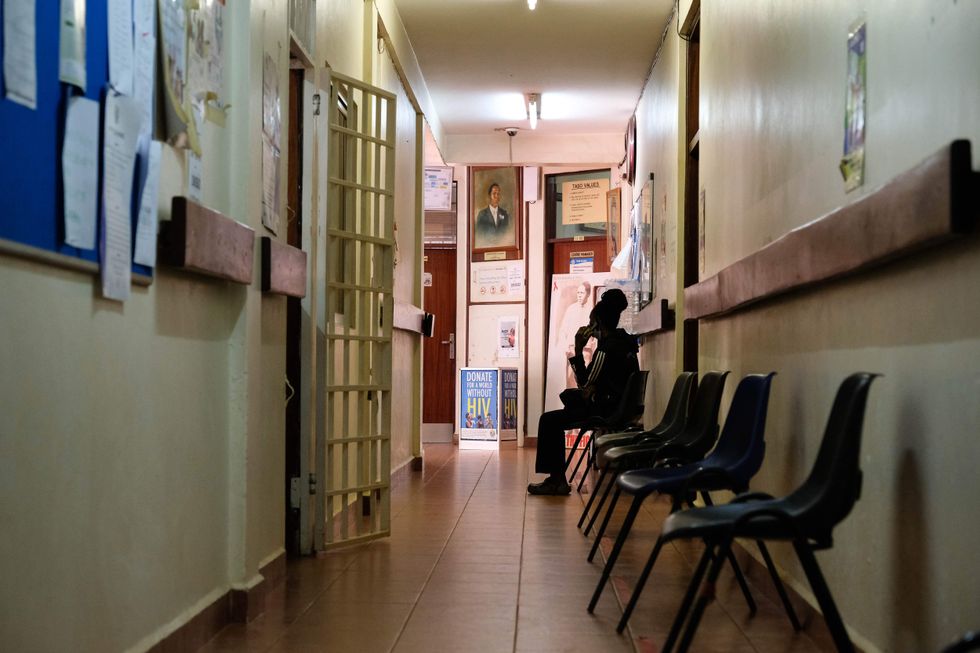
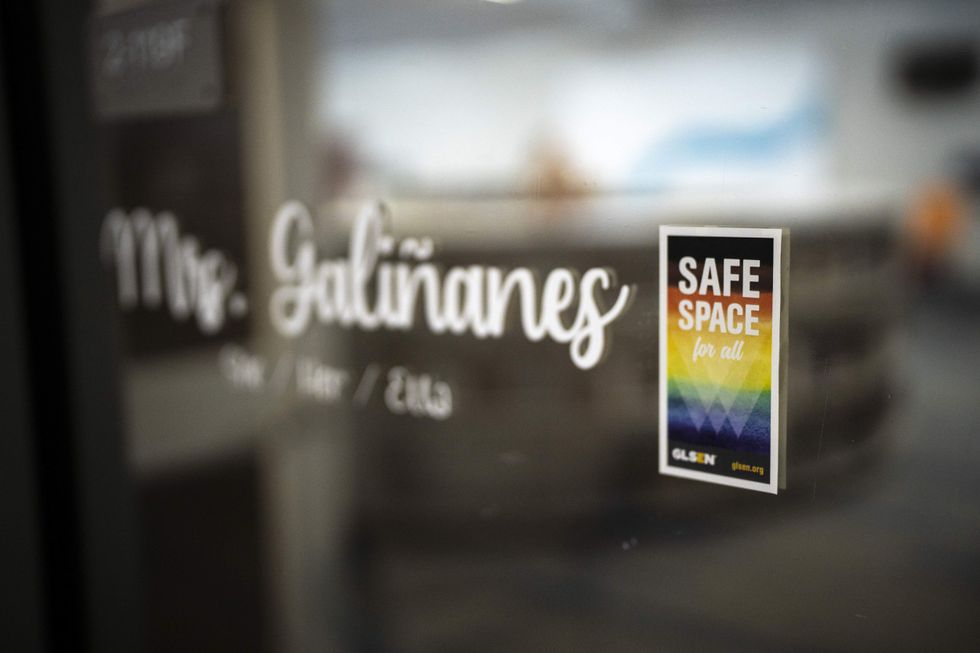
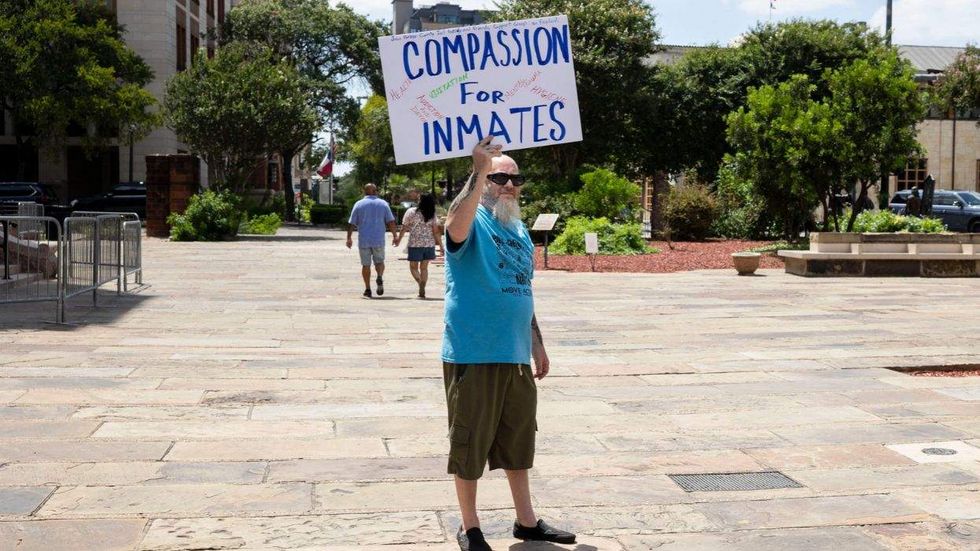
Texas prison officials say adults already receiving hormone therapy can continue treatment under a revised policy. Incarcerated minors, however, must eventually be weaned off it.The Texas Department of Criminal Justice’s policy on treating incarcerated people with intersex conditions or diagnosed gender dysphoria was reviewed in July. The agency provided the revised document to Austin NBC affiliate KXAN this week. Under the policy, adults entering state prison can continue a documented hormone regimen unless the treatment is medically contraindicated.Related: Trump just rolled out a cruel anti-trans prison policy doctors are calling ‘dangerous’“Hormone therapy will be requested with indefinite refills through the non-formulary process to ensure that continuity of care is maintained during the initial evaluation process,” the policy says.Advocates had feared treatment would be cut off after the policy disappeared from the department’s website. Those concerns came amid a separate change in state law requiring transgender prisoners to be housed according to their sex assigned at birth. Transistics reported that the disappearance signaled an end to gender-affirming care for roughly 1,100 incarcerated people. The document provided to KXAN shows that hormone therapy remains available to adults under the revised policy.The rules are different for incarcerated people younger than 18. The policy permits a minor to continue medication begun before June 1, 2023, only if they attended at least 12 counseling or psychotherapy sessions over at least six months before starting treatment. Even then, the policy requires that the medication eventually be discontinued.Related: Federal prison inmates can get gender-affirming care as court blocks Trump order“However, the inmate must be weaned off the prescription drug over a period of time and in a manner that is safe and medically appropriate and that minimizes the risk of complications,” the policy says.It also bars min
Texas says transgender prisoners can keep their hormones — unless they’re under 18
This is a summary from The Advocate. Read the complete article on their website.
Read Full Article on The Advocate
Opens in a new tab. QueerLine is not responsible for third-party content.
The Advocate
This article was automatically aggregated from The Advocate, a trusted LGBTQ+ news outlet. QueerLine curates headlines from verified sources to keep the community informed.