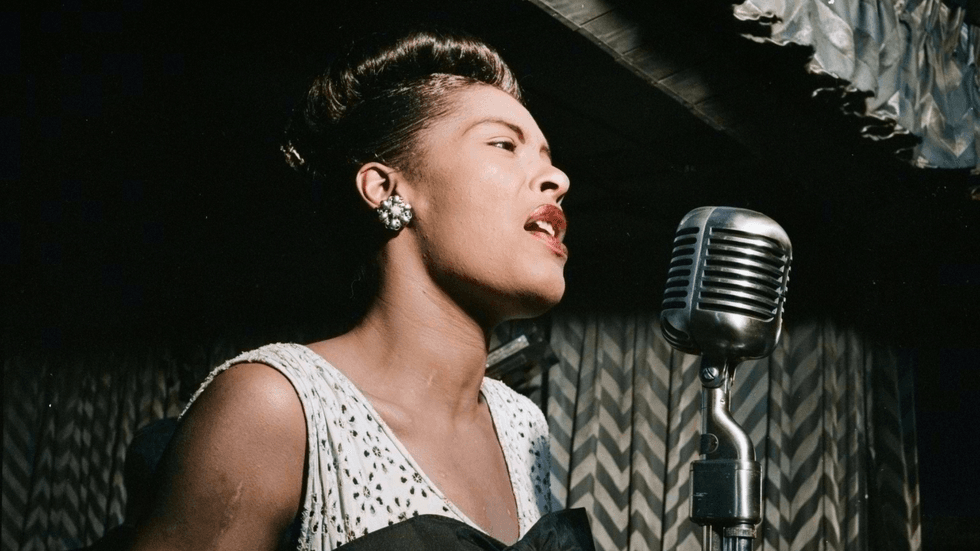
In 1937, Abel Meeropol, a Jewish high school teacher from the Bronx, saw a photograph he could not shake. The image showed Thomas Shipp and Abram Smith hanging from a tree after they had been lynched in Marion, Indiana. Haunted by what he saw, Meeropol wrote "Strange Fruit." Two years later, Billie Holiday transformed it into one of the most devastating protest songs ever recorded.“Southern trees bear strange fruit. Blood on the leaves and blood at the root.” Holiday wasn't singing about abstract injustice. She was singing about Black people being lynched, their bodies hanging from trees in the United States. Something I never thought I’d see make a comeback during my lifetime. And that is precisely why we should be paying so much more attention to the headlines arriving in 2026. Earlier this month, 29-year-old Tasia Fortune was found hanging from a tree behind a vacant home in Jackson, Mississippi. Last year, 18-year-old Demartravion "Trey" Reed was found hanging from a tree at Delta State University. In North Carolina, the death of Javion Magee generated national scrutiny. Over the last several years, civil rights organizations, journalists, attorneys, and grieving families have documented and challenged a growing number of cases involving Black people found hanging in public spaces, many of which were quickly classified as suicides.In February, the civil rights organization JULIAN released A Crimson Record, a report documenting a significant rise in modern-day lynchings across seven Southern states between 2000 and 2025. The report argues that racial terror never disappeared. Instead, it adapted, becoming less visible, less public, and perhaps easier for institutions to dismiss. Whether one agrees to absorb the findings in the report is secondary to the larger question it raises. How did we arrive at a moment in American history when an image so inseparable from racial terror has once again become recognizable in our contemporary news cycle?A Black person h
'Strange Fruit' in 2026: Why LGBTQ+ people cannot look away from racial terror
This is a summary from The Advocate. Read the complete article on their website.
Read Full Article on The Advocate
Opens in a new tab. QueerLine is not responsible for third-party content.
The Advocate
This article was automatically aggregated from The Advocate, a trusted LGBTQ+ news outlet. QueerLine curates headlines from verified sources to keep the community informed.