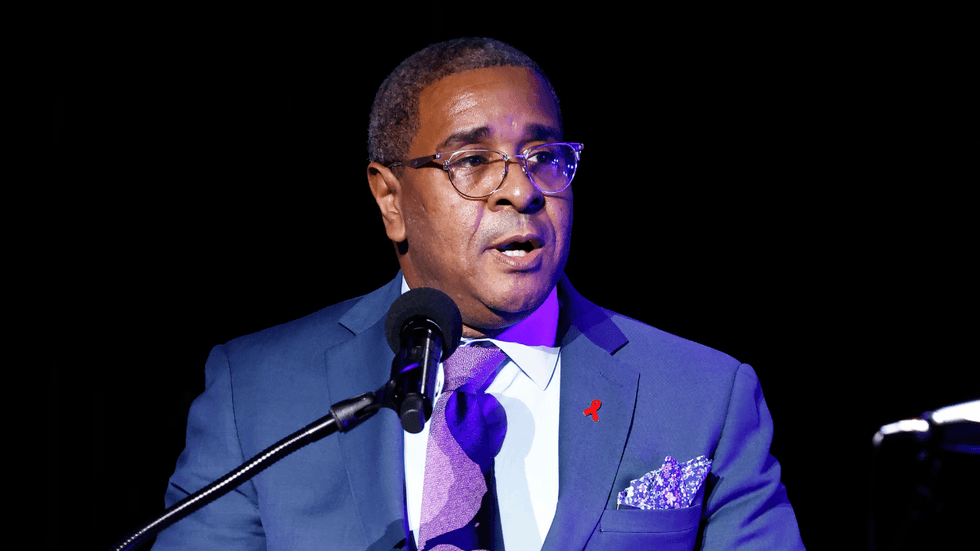
Forty-five years after the first cases of HIV were reported in the United States, we possess something unimaginable to the generation that first confronted this epidemic: the science to prevent HIV, treat it effectively, and allow people living with HIV to lead long, healthy lives. Yet one of the greatest barriers to ending the epidemic has never been the virus itself.It is stigma.As someone who has spent nearly my entire adult life in the HIV movement—and as someone living with HIV—I know stigma isn't an abstract concept. It is the hesitation in a health care provider's voice. It is the family member who stops calling. It is the fear that keeps someone from getting tested, seeking treatment, or telling the truth about who they are. Science has changed, but, too often, attitudes have not.At NMAC, we know that HIV never exists in isolation. It intersects with mental health, substance use, viral hepatitis, sexually transmitted infections, housing instability, poverty, racism, homophobia, and transphobia. That is why we have embraced a whole person health approach. If we want to improve health outcomes, we must care for the whole person—not just their diagnosis.Stigma sits at the center of these intersecting challenges. It keeps people from accessing care, weakens trust in health systems, and reinforces the very inequities that continue to fuel HIV in communities of color, LGBTQ+ communities, and across the South.The truth is that stigma is more than hurtful words or personal prejudice. It is embedded in policies that criminalize people living with HIV, funding decisions that leave communities behind, and systems that make care harder to reach than it should be. When we talk about ending HIV, we cannot separate medical progress from social justice.The good news is that stigma is not inevitable. Every clinician who treats a patient with dignity strengthens trust. Every policymaker who protects access to prevention and treatment moves us closer to ending the epidem
Zero HIV Stigma Day: The epidemic we still choose to ignore
This is a summary from The Advocate. Read the complete article on their website.
Read Full Article on The Advocate
Opens in a new tab. QueerLine is not responsible for third-party content.
The Advocate
This article was automatically aggregated from The Advocate, a trusted LGBTQ+ news outlet. QueerLine curates headlines from verified sources to keep the community informed.