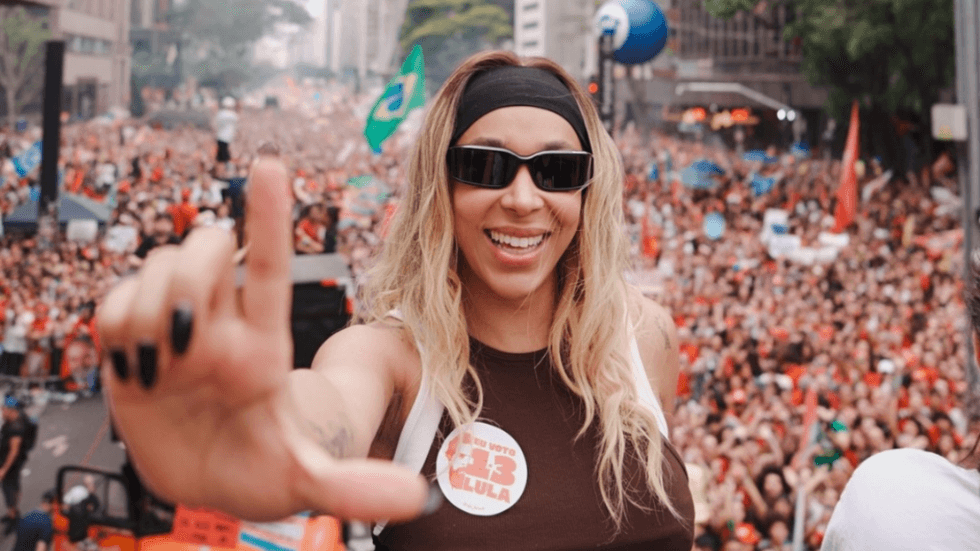
Brazil’s elections have delivered a remarkable result. After a first round that strengthened the far right, President Lula won reelection in a dramatic runoff. Amid this difficult political landscape, something extraordinary happened: LGBTQ+ candidates won more than 10.7 million votes, three times their 2022 total. Brazil elected 35 openly LGBTQ+ leaders, including 14 members of Congress, forming the largest queer congressional delegation in the Americas.These victories deserve international attention, particularly from democracies struggling to contain the far right. They challenge some deeply entrenched assumptions about how progressive politics should respond to extremism.The first lesson is that intersectionality builds political power.At Instituto Plena Cidadania (IPC), the organization behind VoteLGBT, intersectionality has been central to our political strategy from the beginning. We understood that LGBTQ+ people are also women, Black, working-class, and members of many other communities. Our struggles overlap, and so do our opportunities to build power. This approach has allowed us to grow alongside feminist and Black women’s movements, drawing strength from their advances while contributing to a shared expansion of political representation.That collective progress is visible in our newly elected delegation. Of the 35 leaders, 27 are women, and 22 are Black. Seven are trans women. These results reflect how different movements can reinforce one another, expanding their collective reach and creating new possibilities for political leadership.The LGBTQ+ electorate is itself intersectional. Our political interests extend across race, gender, class, and territory. This gives queer leadership an extraordinary capacity to connect struggles that conventional politics often treats as competing priorities.The second lesson is that identity can be a source of political strength.Brazil’s winning LGBTQ+ candidates addressed the concerns of the wider population: job
Op-ed: Brazil's LGBTQ+ election victories offer lessons for American democracy
This is a summary from The Advocate. Read the complete article on their website.
Read Full Article on The Advocate
Opens in a new tab. QueerLine is not responsible for third-party content.
The Advocate
This article was automatically aggregated from The Advocate, a trusted LGBTQ+ news outlet. QueerLine curates headlines from verified sources to keep the community informed.