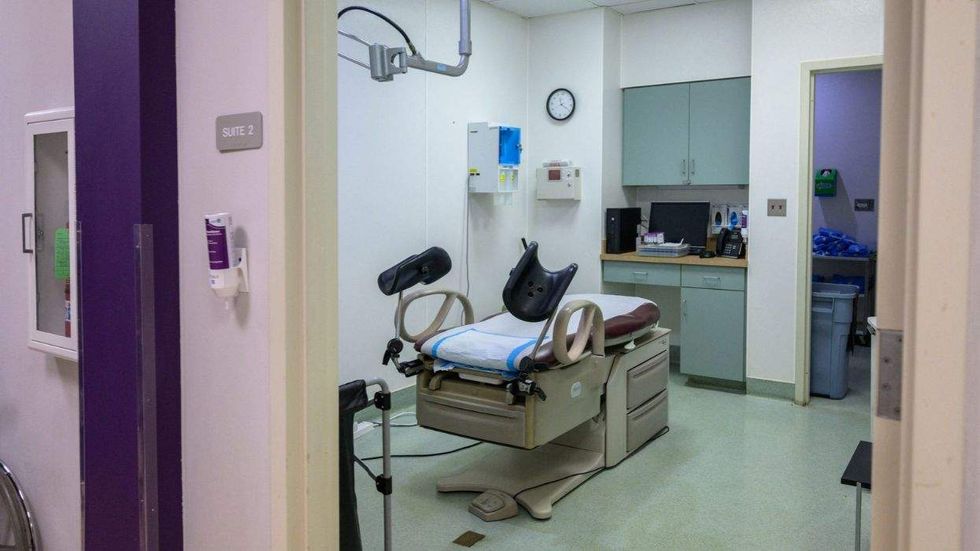
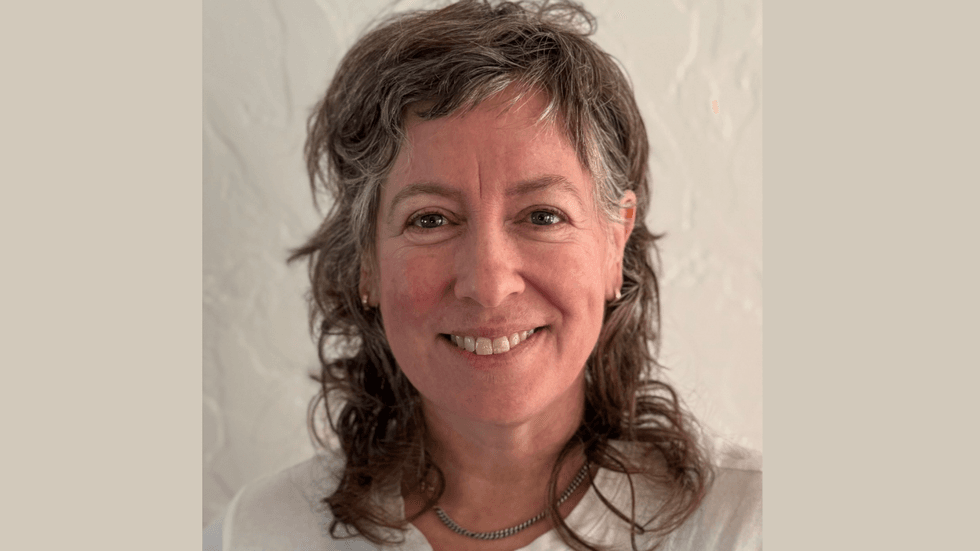
I was born with a body that adults wanted to fix. In preschool, I knew something was happening “down there” that was different from other kids. My parents took me to medical specialists, and I endured years of testing and invasive genital exams to figure out what was wrong with me and to fix it. My parents did everything in their power to make sure I would be normal. Fortunately, they failed. In my 20s, in the late 1990s, already out as queer, I learned that what I had, Congenital Adrenal Hyperplasia, was an intersex variation. I started identifying as intersex, understanding and also embracing the ways I had felt like a freak, from a very young age. I learned that intersex is an umbrella term for a set of genetic, anatomical, or hormonal variations that could result in internal or external variations in sex traits or sex anatomy. I learned the social, emotional, and political implications of growing up with a body that didn’t meet the narrow standards of acceptable for boys or for girls, a body that scared the adults around me. I learned about the unnecessary harm that was done to me and others of the 1-2 in every 2,000 people born who fit under that intersex umbrella. For Ashkenazi Jews like me, the frequency of my condition, CAH, is even more common: 1 in 200 births. I became an activist, advocating at the San Francisco Human Rights Commission, pediatric endocrinologist and urologist association annual meetings, and anywhere else that would listen, with one demand: to let us have the bodies we were born with, until we were old enough to decide ourselves if we wanted to change them. Thirty years into the modern intersex rights movement, I can tell you that things aren’t a whole lot better than they were in 1996. No U.S. medical center has stopped doing unnecessary surgeries on infants with intersex–atypical sex anatomy or characteristics. We Americans judge other countries for female genital cutting. However, it's both legal and the standard of care here
Op-ed: I'm intersex. Here's how anti-trans laws are harming people like me
This is a summary from The Advocate. Read the complete article on their website.
Read Full Article on The Advocate
Opens in a new tab. QueerLine is not responsible for third-party content.
The Advocate
This article was automatically aggregated from The Advocate, a trusted LGBTQ+ news outlet. QueerLine curates headlines from verified sources to keep the community informed.