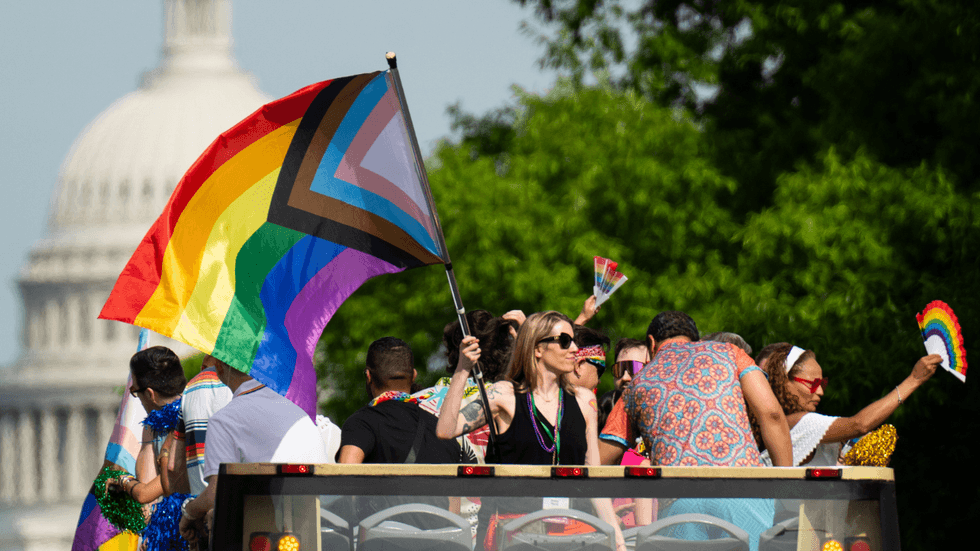
Pride organizations across America are facing a coordinated and escalating backlash, squeezed by political hostility toward LGBTQ+ people, corporate retreat from DEI commitments, and shrinking public funding. Facing this reality, many Pride organizers have dramatically scaled back what festivals and celebrations look like. Others have shut down their events and organizing bodies altogether as our federal government dismantles DEI.Washington, D.C.'s Capital Pride Alliance (CPA) is no exception, and here, the pressure is about to get more acute. The fees charged by D.C. government agencies that support major events like Capital Pride have increased dramatically. If these costs are fully passed on to nonprofit organizations like CPA, events like ours, which are a major economic engine for both D.C. and the region, will no longer be able to function.This uncertainty is compounded by a new mayoral administration taking office in D.C. in 2027. This change in administration brings new priorities, new budget pressures, and new decision-makers, making it increasingly harder for us to plan responsibly for the years ahead.We know this isn't hypothetical because we just lived through a version of it. In June 2025, Washington, D.C., welcomed the global community for WorldPride. From the outside, the event looked like a remarkable success, with over one million visitors creating a significant economic impact for the area by patronizing local businesses, including hotels and restaurants, and increasing government revenue.While WorldPride was a tremendous success for the city, it came at a high cost to the organization that made it happen. To keep WorldPride safe, welcoming, and successful, the organization had to draw from its reserves. The visitors and economic impact it brought to the city were real, but unfortunately, CPA's financial picture didn't reflect that success. Planned government funding and corporate sponsorships fell short of projections, and attendance from outside
The future of Pride is not guaranteed. That's why we must fight for it.
This is a summary from The Advocate. Read the complete article on their website.
Read Full Article on The Advocate
Opens in a new tab. QueerLine is not responsible for third-party content.
The Advocate
This article was automatically aggregated from The Advocate, a trusted LGBTQ+ news outlet. QueerLine curates headlines from verified sources to keep the community informed.