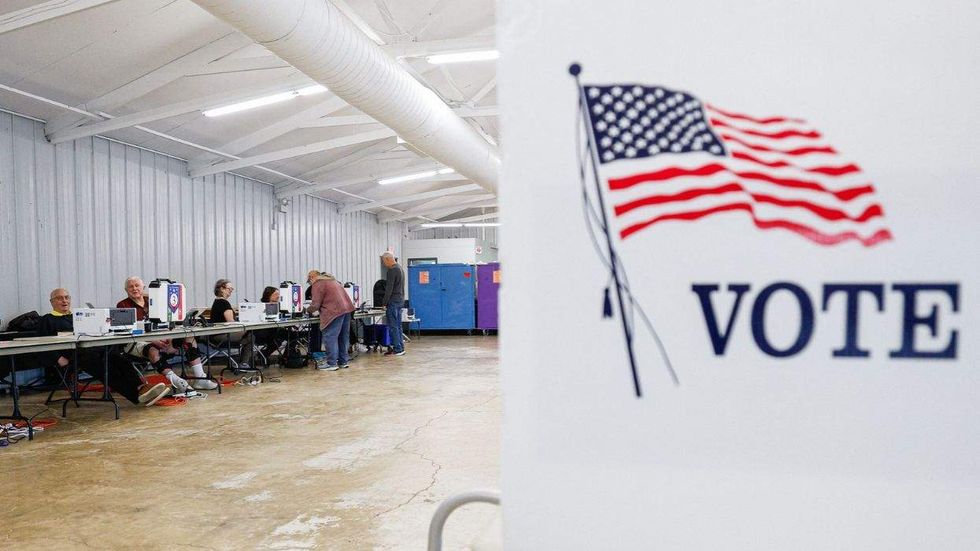
Already under attack by the Trump administration and other leaders across the country, transgender voters may also face barriers to making their voices heard on Election Day.The Williams Institute at UCLA School of Law estimates there are 2.8 million people ages 13 and older who identify as transgender in the United States, including about 1.3 million adults eligible to vote. As USA Today reported, the institute estimates voter ID laws could create barriers for nearly 324,000 eligible voters, with more than 113,000 facing potential disenfranchisement in states with strict photo ID requirements.Jody Herman, the institute’s senior scholar of public policy and a co-author of the report, told USA Today that restricting eligible voters’ access undermines democracy and “undermines transgender citizens having a voice in the electoral process.”Related: Voting 101: 7 ways to make your midterm ballot countCurrently, 36 states have voter ID laws, and 33 of those conduct their elections primarily in person. The report says about 657,300 voting-eligible transgender Americans live in those 33 states. As of July, eight states prohibited gender marker updates on driver’s licenses, and 10 prohibited such changes on original birth certificates.Five states — Texas, Florida, Kansas, Indiana, and Tennessee — both prohibit gender marker updates on driver’s licenses and birth certificates and require a photo ID to vote. Those overlapping restrictions can compound the challenges transgender voters face in obtaining identification that reflects their names or gender identities.For example, a lawsuit in Kansas seeks to block Senate Bill 244, a law that invalidates driver’s licenses bearing gender markers that differ from a person’s sex assigned at birth and restricts restroom use in government buildings. As The Advocate reported, state officials said roughly 1,700 intersex and transgender Kansans received notices that their licenses were invalid when the law took effect.T
State ID restrictions could stand in the way of transgender Americans’ ability to vote
This is a summary from The Advocate. Read the complete article on their website.
Read Full Article on The Advocate
Opens in a new tab. QueerLine is not responsible for third-party content.
The Advocate
This article was automatically aggregated from The Advocate, a trusted LGBTQ+ news outlet. QueerLine curates headlines from verified sources to keep the community informed.