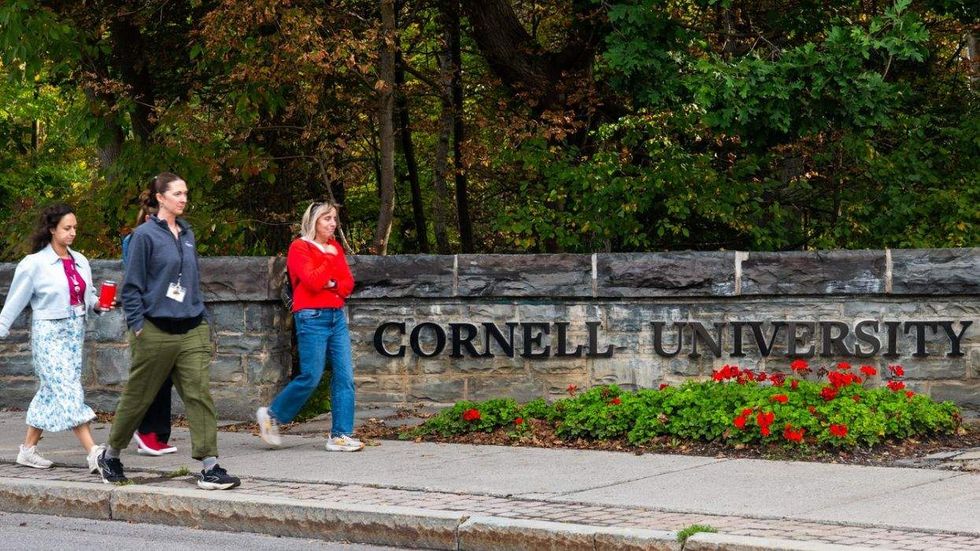
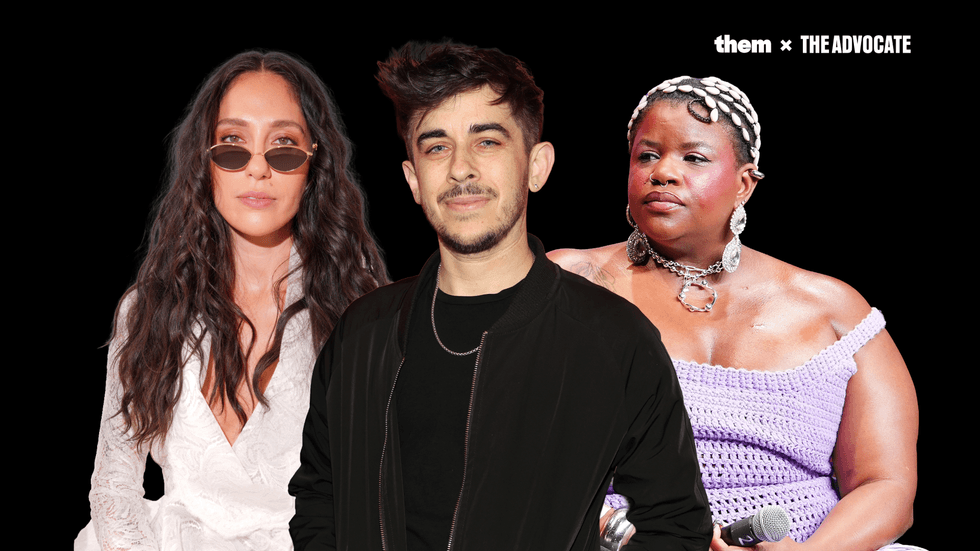
An investigation into an alleged gang rape by seven Chi Phi fraternity members at Cornell University has shaken the country, reigniting a decades-long conversation about on-campus sexual assault. The harrowing details, as reported by the student newspaper The Cornell Daily Sun, include the anonymous survivor’s personal account of the assault, but also describe how a group chat of other men in the fraternity allegedly knew about the rapes as they were happening and did nothing. According to a lawsuit filed September 14 by Jane Doe, the defendants were given an opportunity to mitigate their conduct by submitting essays to the university. Questions about the lack of police and prosecution action have led Gov. Kathy Hochul and others to call for additional scrutiny.The story has sparked widespread discussion of a national culture that allows sexual assault to flourish, how universities frequently mishandle these cases when they’re reported, and why survivors are often left wanting for justice by subsequent legal proceedings. Amid that conversation, LGBTQ+ advocates are reminding people that all struggles against institutional oppression are interconnected. Following the groundbreaking report that dropped September 18, American Civil Liberties Union attorney Chase Strangio made a post about the horrific allegations on Instagram. He pointed out that as sexual assault continues to plague college campuses, with over one in five women reporting experiencing sexual assault while completing their undergraduate education, the American right is instead waging a battle against transgender women in sports. “I have seen a lot of posts noting that more cis men were involved in the rape of one woman at Cornell than the number of trans women participating in collegiate sports (prior to the ban),” Strangio wrote. “This is true. And yet hundreds of millions of dollars and dozens of laws have been committed to stop the latter, not the former.” Conservative pundits such as for
LGBTQ+ people are speaking out about the Cornell Seven. Are you?
This is a summary from The Advocate. Read the complete article on their website.
Read Full Article on The Advocate
Opens in a new tab. QueerLine is not responsible for third-party content.
The Advocate
This article was automatically aggregated from The Advocate, a trusted LGBTQ+ news outlet. QueerLine curates headlines from verified sources to keep the community informed.