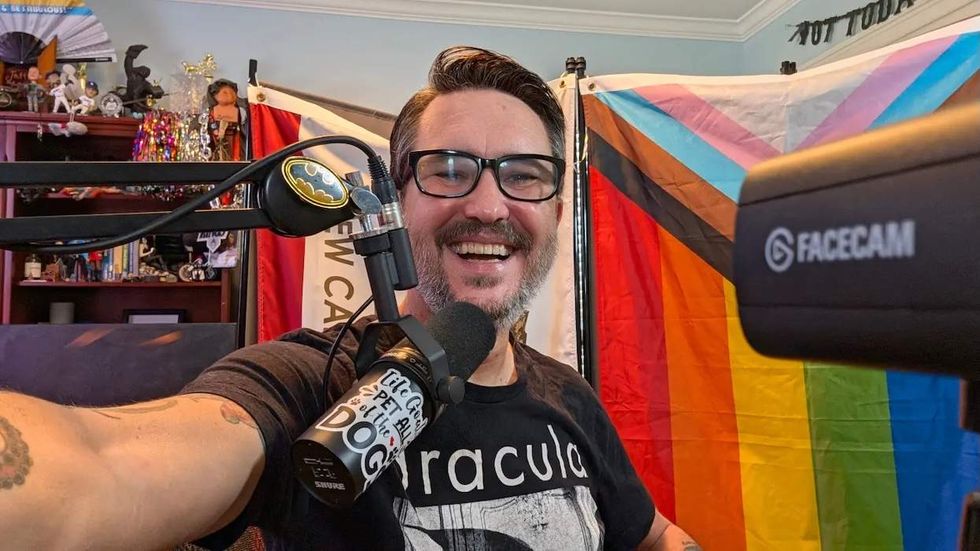
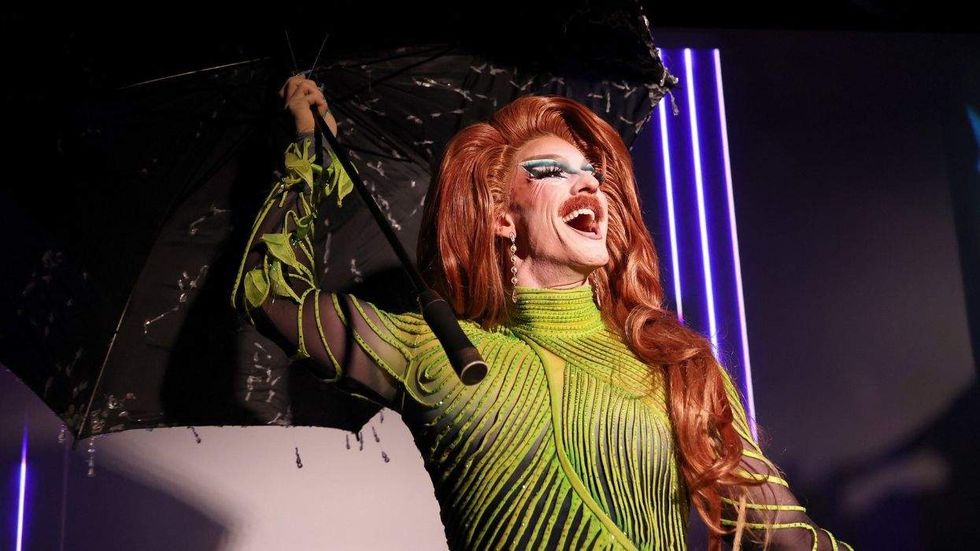
The first time Pattie Gonia saw a drag show, she could hardly imagine joining the performers onstage. In college in Lincoln, Nebraska, she watched queens at what she described as her hometown’s only gay bar. Their confidence stayed with her. So did the thought it provoked: “I could never give myself that much freedom or that permission.”She eventually did. But freedom, she has learned, can unsettle other people.“When I came out of the closet, a lot of people in my family or my friends were like, ‘How could you do this to me?’” she told Eric Eubank on the podcast I’m Feeling Queer Today! “And what I think I’ve processed now, what they actually meant to say was, ‘How dare you show me what freedom looks like?’”Their conversation was recorded before outdoor apparel company Patagonia sued the drag artist and climate activist in January over her name and its use on merchandise. Released Thursday, the interview offers an account of the experiences and relationships behind the name now at the center of the dispute.Eubank, a 20-year-old nonbinary writer who uses they/them pronouns, interviewed the drag queen and climate activist for the Future Perfect Project’s podcast, produced by LGBTQ+ young people. In a separate interview with The Advocate, Eubank said the pairing felt natural. Pattie Gonia’s drag and environmental advocacy, like the project’s work with queer youth, often attracts public attention without giving the people involved much say in how they are understood.“They’re both often very dismissed and underestimated and used as talking points, but not invited to the conversation,” Eubank said.Eubank first encountered the Future Perfect Project at 16. Their high school’s gay-straight alliance adviser connected students in Glendale, California, with the organization for a weeklong writing workshop. The students reflected on their experiences and ended the week by performing for community members, family, and allies.At the time, E
Before Patagonia sued Pattie Gonia over her name, she spoke about what it took to claim it
This is a summary from The Advocate. Read the complete article on their website.
Read Full Article on The Advocate
Opens in a new tab. QueerLine is not responsible for third-party content.
The Advocate
This article was automatically aggregated from The Advocate, a trusted LGBTQ+ news outlet. QueerLine curates headlines from verified sources to keep the community informed.