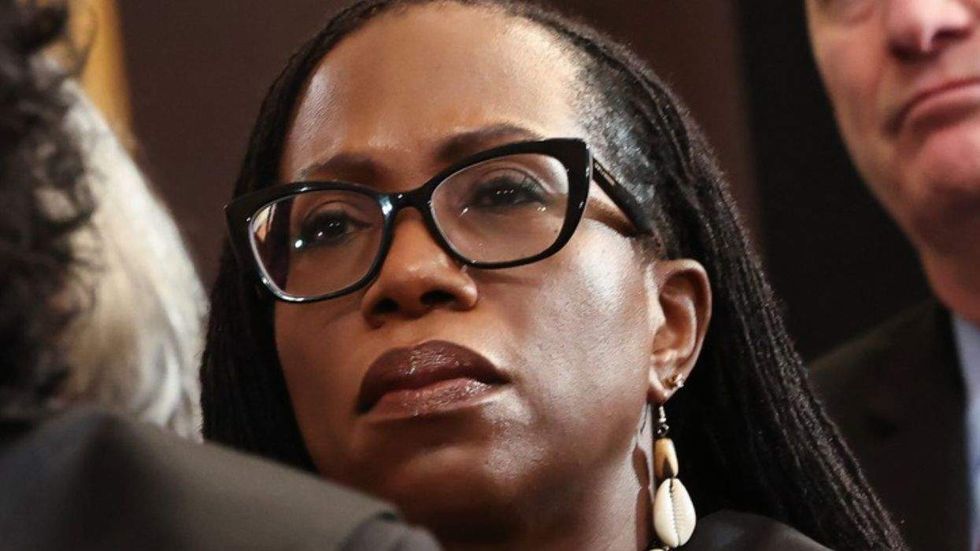
Justice Ketanji Brown Jackson accused the U.S. Supreme Court on Friday of disregarding the risk to eligible voters by allowing the Trump administration to revive an expanded federal citizenship-checking system weeks before the midterm elections.In a dissent joined by Justices Sonia Sotomayor and Elena Kagan, Jackson said the court had made “questionable interim rulings” about federal laws it had never interpreted while considering only the harm the government claimed it would suffer if the system remained blocked. “The Court thus misuses its equitable powers,” she wrote.The order pauses a June ruling that set aside changes to the Systematic Alien Verification for Entitlements program, known as SAVE, while the administration’s appeal proceeds. State and local officials can again use the expanded system. The Supreme Court has not issued a final ruling on whether the changes are lawful.President Donald Trump directed the Department of Homeland Security in 2025 to expand SAVE for checking the citizenship of registered voters and people applying to vote. The changes let officials submit records in bulk and search using Social Security numbers. According to the court’s opinion, the system compares identifying information with Social Security Administration records. If it cannot confirm someone’s citizenship, the election agency must contact that person and seek additional proof.Voting rights and privacy groups challenged the arrangement, arguing that it improperly disclosed protected Social Security records, bypassed federal privacy safeguards, and could wrongly identify citizens as noncitizens. U.S. District Judge Sparkle Sooknanan agreed and set aside the expanded program in June. A divided federal appeals court declined to suspend her ruling earlier this month.The Supreme Court’s unsigned majority opinion concluded that a 1996 immigration law likely authorizes DHS to obtain citizenship information from other agencies despite the restrictions cited by th
Ketanji Brown Jackson warns the Supreme Court puts eligible voters at risk in pro-Trump ruling
This is a summary from The Advocate. Read the complete article on their website.
Read Full Article on The Advocate
Opens in a new tab. QueerLine is not responsible for third-party content.
The Advocate
This article was automatically aggregated from The Advocate, a trusted LGBTQ+ news outlet. QueerLine curates headlines from verified sources to keep the community informed.