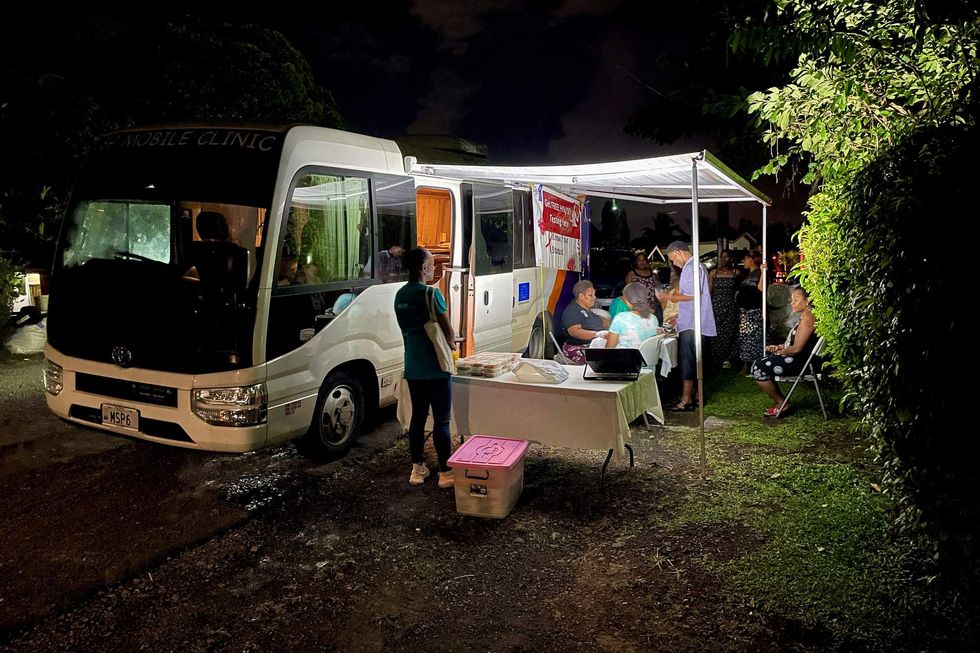
Fiji has declared a national crisis over a recent rise in HIV cases, adopting plans to allocate more health resources toward stopping the disease’s transmission.Antonio Lalabalavu, Fiji’s minister for health and medical services, declared HIV a national emergency on Tuesday. The nation previously declared an HIV outbreak in January 2025.In 2025, Fiji recorded 2,016 new HIV diagnoses, including 59 babies born with HIV, its government announced in a Facebook post Tuesday. Last year, the number of new HIV diagnoses in Fiji also rose by 27%, according to Reuters.Under the new emergency declaration, the Fijian government will devote additional resources toward curbing HIV transmission, according to the Facebook post.Related: Why affirming faith communities belong in the fight to end HIVGovernment officials plan to expand access to rapid HIV tests, medications for HIV prevention and treatment, and harm reduction resources for people who use injectable drugs, which can be a mode of transmission for HIV.“The response is focused on protecting lives, improving access to health services and reducing stigma,” the post reads. The nation’s HIV interventions will receive financial support from Australia, New Zealand, India, the Global Fund, and the United Nations.“Fiji has recognized the urgency of the moment and is stepping up its response,” said Winnie Byanyima, executive director of UNAIDS, in a Wednesday press release. “It is also a stark reminder to the world that AIDS is not over. HIV epidemics can change quickly, and countries need health and community systems that are ready to respond urgently.”Related: Funding cuts could cause 3.3 million additional HIV infections by 2030: reportMore than half of new cases with a known mode of transmission were linked to sexual transmission, and nearly half came from injection drug use, according to UNAIDS. To address transmission via injection drug use, UNAIDS aims to introduce a needle and syringe program to the countr
Fiji declares national crisis over rising HIV cases
This is a summary from The Advocate. Read the complete article on their website.
Read Full Article on The Advocate
Opens in a new tab. QueerLine is not responsible for third-party content.
The Advocate
This article was automatically aggregated from The Advocate, a trusted LGBTQ+ news outlet. QueerLine curates headlines from verified sources to keep the community informed.