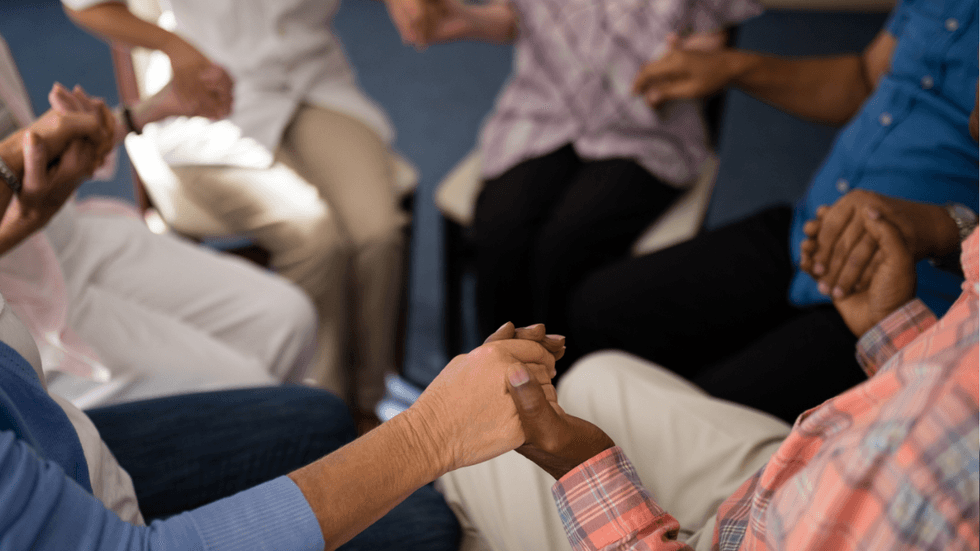
Strategy work usually gets described in terms of what an organization needs to build: new systems, new partnerships, new infrastructure. But HIV strategy should begin with another question: What networks of relationships and influence already exist, and why have we not adequately invested in them as pathways to prevention and care?August 30 is National Faith HIV & AIDS Awareness Day. The observance points to an important strategic opportunity. Faith and spiritual communities are among the few institutions in this country that hold relationships that span generations. Their leaders are often present for some of the most intimate moments in people’s lives, including illness, grief, family conflict, and crisis. And within those communities are trusted networks capable of helping people move from fear and uncertainty toward accurate information, support, and care.That potential comes with an important caveat. Faith communities are not universally trusted or uniformly prepared to address HIV. However, when they are affirming, informed, accountable, and connected to care, they can help create trusted pathways to HIV prevention and treatment.A trusted pathway to careEffective treatment enables people with HIV to live long and healthy lives. Pre-exposure prophylaxis (PrEP) can prevent HIV, and people who achieve and maintain an undetectable viral load cannot sexually transmit the virus, a concept known as undetectable equals untransmittable (U=U). But having the tools does not ensure that everyone has access to them. A medication can exist and still feel out of reach. A clinic can be nearby and still feel unsafe. Information can be accurate and still fail to change behavior if people do not trust its source.Our strategy must therefore consider not only where care is delivered, but also where trust is built and health decisions are shaped. A person with HIV may first disclose their status to a pastor, imam, rabbi, ministry leader, chaplain, or fellow congregant. Someone co
Why affirming faith communities belong in the fight to end HIV
This is a summary from The Advocate. Read the complete article on their website.
Read Full Article on The Advocate
Opens in a new tab. QueerLine is not responsible for third-party content.
The Advocate
This article was automatically aggregated from The Advocate, a trusted LGBTQ+ news outlet. QueerLine curates headlines from verified sources to keep the community informed.