For transgender students, a hostile school policy does not remain confined to a rulebook. It can determine which bathroom they use, whether teachers call them by the correct name, and, increasingly, whether they attend school at all.A new report from Glisten and The Trevor Project finds that 56 percent of transgender, nonbinary, and gender-expansive students surveyed attended schools with at least one discriminatory policy. Nearly one-third had recently missed school because they feared for their safety.The report draws from two national surveys involving 5,673 students. In The Trevor Project’s sample, 41 percent said they were prohibited from using a bathroom aligned with their gender, 38 percent faced locker room restrictions, and 33 percent could not participate on the appropriate sports team. More than a quarter were prevented from using their chosen name or pronouns.Related: A Virginia school board bent over backward to block an LGBTQ+ club. One mom explains why she’s suingSixty-one percent reported a negative experience at school, most commonly anti-LGBTQ+ verbal harassment. Nine percent said mistreatment became so severe that they left their school.That harm showed up in attendance records. One-quarter missed at least 16 days during the school year, the threshold the report used for chronic absenteeism. Put plainly, students in discriminatory environments were more likely to miss substantial amounts of class.Glisten’s survey found that 32 percent had missed school during the previous month because they felt unsafe. The problem was especially acute for students of color: 80 percent reported harassment or assault connected to their race, ethnicity, sexual orientation, gender identity, or expression.“Schools continue to be hostile sites for LGBTQ+ students, and in particular for trans, gender expansive, and BIPOC students,” Glisten researchers Yu-Chi Wang and Shweta Moorthy said. By conducting focus groups, they said, researchers sought the “context
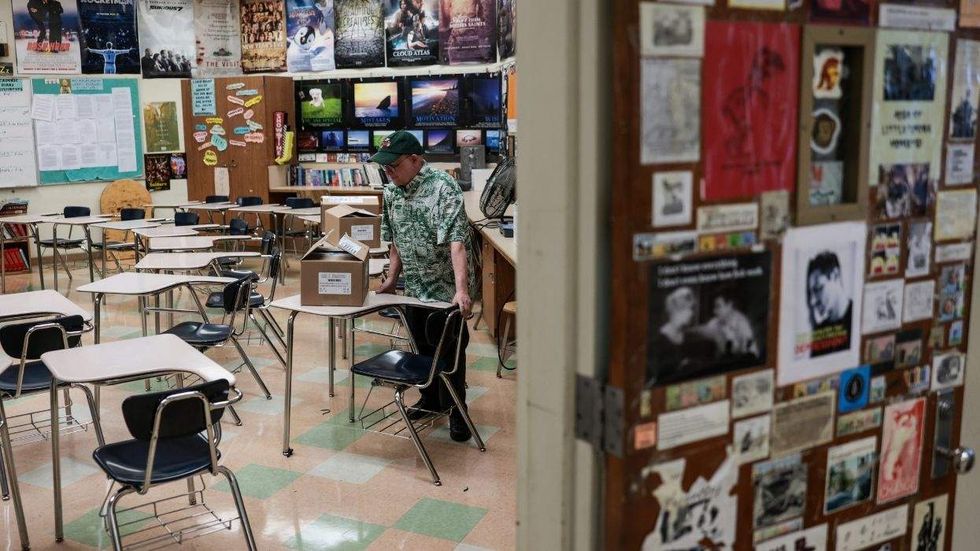
Hostile school policies are keeping transgender students out of class
This is a summary from The Advocate. Read the complete article on their website.
Read Full Article on The Advocate
Opens in a new tab. QueerLine is not responsible for third-party content.
The Advocate
This article was automatically aggregated from The Advocate, a trusted LGBTQ+ news outlet. QueerLine curates headlines from verified sources to keep the community informed.