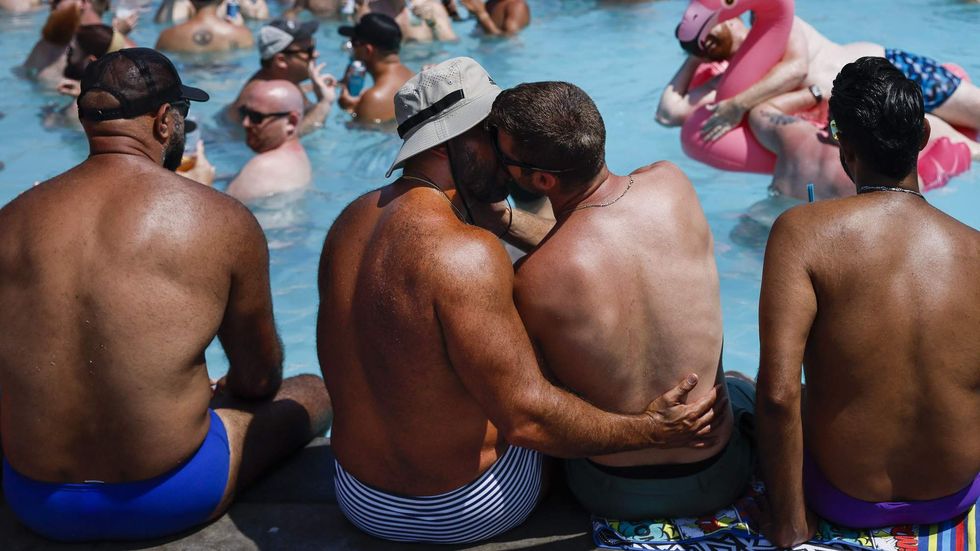
Larger, hairier gay men who felt excluded from mainstream gay culture and its obsession with smooth skin and a low body fat percentage formed their own community in the late 1970s and dubbed themselves “bears.”In the decades since, the bear community has thrived. There are magazines, events, and cruises all dedicated to bears and those who love them. But as revolutionary new weight-loss drugs called GLP-1s, like Zepbound, Wegovy, Ozempic, and Mounjaro, grow in popularity, a question comes to mind: Are the bears alright?The answer, it turns out, is complicated. “We’re losing a little bit of weight, but we’re still a community, we’re still thriving, we’re still bears,” said Richard Jones, the creator and editor of Bear World Magazine. Both Jones and his husband have shed pounds taking Mounjaro for their Type 2 diabetes, but are still big men who identify as bears. The popularity of these drugs means that the discussion about them is nearly inescapable, and even in a community built around celebrating larger bodies, they are having to grapple with the rising number of bears taking these medications, some to combat things like diabetes and high blood pressure, and some to lose weight.There is no one way a bear has to look; they can be anything from muscle bears to young cubs to larger men with big bellies, lots of body hair, and beards because “being a bear is very much a state of mind,” Jones said.This is what bothered him most about a recent New York Times article titled The Bears Are on Ozempic about Provincetown Bear Week being changed by GLP-1 use. Jones said the publication went for “a quick headline” to scrounge up readership and claimed that some people dropping a few pounds was the death knell for the community.“If you come to a bear event, you’ll be surprised it will be 25-year-old slim guys. There will be guys that are burly, guys that are slim and hairy, there will be guys that aren’t even hairy, there’ll be different body sha
Gay bear culture survived body fascism. It can survive Ozempic
This is a summary from The Advocate. Read the complete article on their website.
Read Full Article on The Advocate
Opens in a new tab. QueerLine is not responsible for third-party content.
The Advocate
This article was automatically aggregated from The Advocate, a trusted LGBTQ+ news outlet. QueerLine curates headlines from verified sources to keep the community informed.