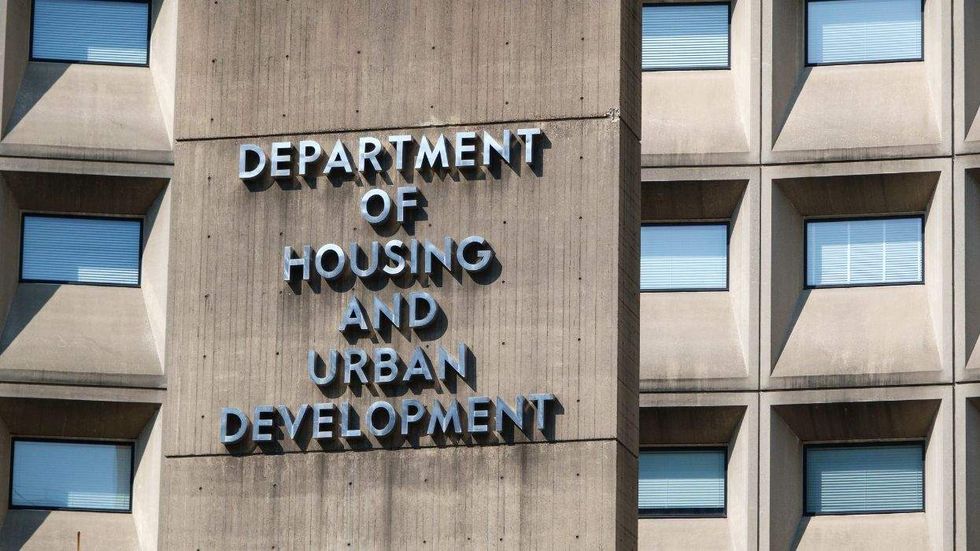
For more than three decades, a little-known federal program has helped people with HIV secure something essential to remaining alive and healthy: a stable place to live. Now, the Housing Opportunities for Persons With AIDS program, known as HOPWA, is being drawn into the Trump administration’s expanding system of immigration checks.Recent HOPWA grant agreements contain language directing grantees to verify clients’ citizenship or immigration status through the Department of Homeland Security’s Systematic Alien Verification for Entitlements system, or SAVE, according to the National HIV/AIDS Housing Coalition. Yet some Department of Housing and Urban Development officials have told those same grantees not to begin the checks until the agency issues final instructions.“They’re hearing two different things,” Lauren Banks, the coalition’s executive director, told The Advocate in an interview.The program assists people who are poor, unstably housed and, in many cases, emerging from homelessness. A delayed application can mean another night in a shelter, another utility shutoff or another eviction notice. A demand for documents someone does not have could derail access altogether.Banks said immigration eligibility rules are not entirely new to federal housing assistance, but the requirement to run HOPWA clients through SAVE is.“Folks were surprised when they saw that,” she said. “Yet it was in all of the contracts that they had to sign.”HUD sends most HOPWA funding to states and qualifying cities, which often contract with local housing agencies and HIV organizations known as project sponsors. Those organizations help clients apply for assistance, avoid eviction, find apartments and keep their utilities connected.Providers were uncertain whether the SAVE provision applied only to the government grantee signing the agreement or also to nonprofit organizations working directly with clients, Banks said. Some asked HUD desk officers for guidance and were
Trump admin demands lengthy immigration checks for housing aid for people with HIV
This is a summary from The Advocate. Read the complete article on their website.
Read Full Article on The Advocate
Opens in a new tab. QueerLine is not responsible for third-party content.
The Advocate
This article was automatically aggregated from The Advocate, a trusted LGBTQ+ news outlet. QueerLine curates headlines from verified sources to keep the community informed.