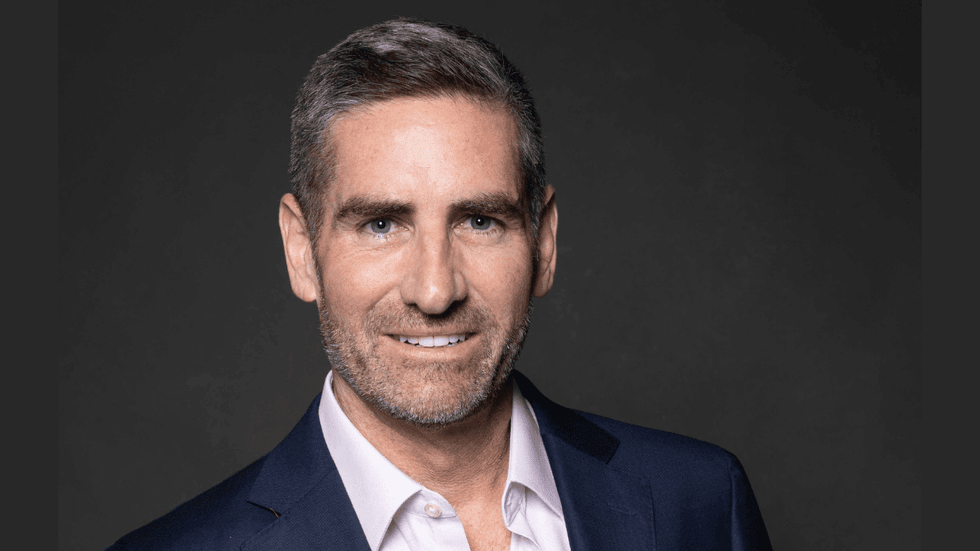
In February, Defense Secretary Pete Hegseth announced that Scouting America had signed a Memorandum of Understanding with the Department of Defense. He described it as a rollback of the inclusive changes Scouting America had made over the past decade: birth sex-only membership designations, sex-separated facilities, and the end of diversity programming. He also put Scouting on a six-month compliance clock.I know something about what happens when Scouting becomes a battleground over who is fit to belong. In 1990, the Boy Scouts expelled me because I was gay. I sued them when I was twenty-one. Eight years later, the Supreme Court ruled 5-4 in Boy Scouts of America v. Dale that the Scouts had a First Amendment right to exclude me.That decision was devastating. I heard the news from someone who caught it on the radio, standing in Lambda Legal’s office, and all I wanted was to be anywhere else, but I knew I had to go out and tell the world something positive had come from it, even though I felt broken. It also rested on a principle that matters now: the government cannot tell a private association whom it must accept as members when doing so would interfere with the organization’s expressive choices.Which is why the current dispute is so stark.Scouting America told a different story from the one Hegseth told. Its CEO said transgender youth were still welcome. Its press release did not mention the terms Hegseth had described. Local troop leaders were reportedly told by national leadership that while a formal memorandum of understanding existed, “not all the stuff Hegseth said is in it.”Those accounts are difficult to reconcile. One document would answer the question: the signed MOU itself.The Pentagon has publicly described the agreement. It has selectively quoted from it. It has used it to condition Scouting’s military support and access to military facilities. But when I submitted a Freedom of Information Act request in March to see the document, the governmen
The Supreme Court ruling that hurt me may now protect trans youth
This is a summary from The Advocate. Read the complete article on their website.
Read Full Article on The Advocate
Opens in a new tab. QueerLine is not responsible for third-party content.
The Advocate
This article was automatically aggregated from The Advocate, a trusted LGBTQ+ news outlet. QueerLine curates headlines from verified sources to keep the community informed.