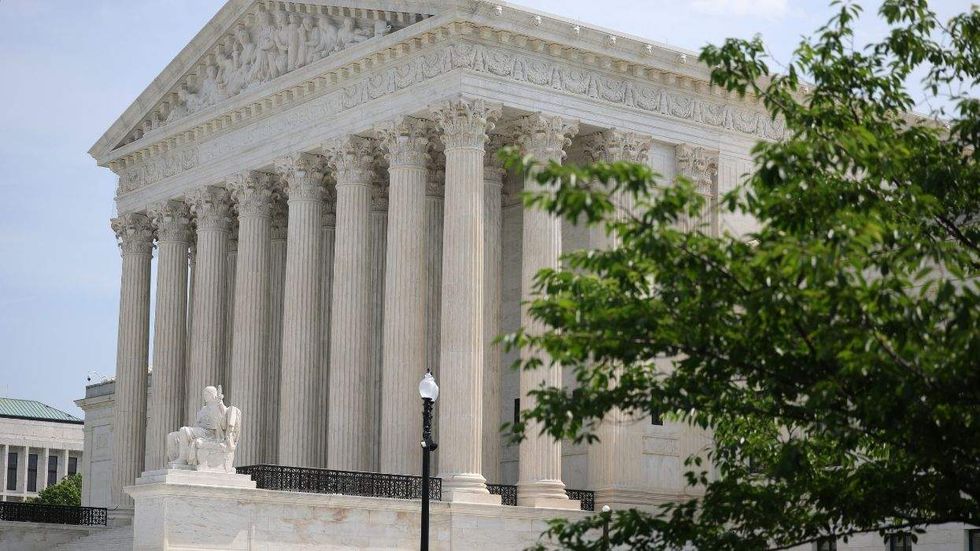
The U.S. Supreme Court on Tuesday upheld state bans on transgender girls and women competing in girls’ and women’s school sports, delivering a major victory to Republican-led states and a devastating defeat to trans students who had asked the justices to let them participate in public school life as themselves.In a 6-3 decision written by Justice Brett Kavanaugh, the court ruled that Idaho and West Virginia’s laws do not violate the Equal Protection Clause or Title IX. The cases, Little v. Hecox and West Virginia v. B.P.J., centered on two transgender students: Lindsay Hecox, who sought to run track and cross country at Boise State University, and Becky Pepper-Jackson, a West Virginia girl who wanted to compete on girls’ teams at school.Related: Supreme Court seems likely to rule against transgender athletes in school sports programsFor years, conservative lawmakers have positioned transgender girls’ participation in sports as an emergency, even as the number of students affected remains small. But the legal campaign was never only about who gets to run a race or join a team. It was about whether transgender people can be carved out of public life by category.The majority rejected arguments that the laws discriminate against transgender students, relying on the court’s recent decision in United States v. Skrmetti to say the bans classify students by sex, not by gender identity or transgender status. Writing for the majority, Kavanaugh said the court would not require states or schools to make athlete-by-athlete determinations about whether a transgender girl who has taken puberty blockers or hormones has retained any athletic advantage.“Particularly in the sports context, determining the effects of the puberty blockers and hormones taken by transgender athletes — and then comparing each of those transgender athletes’ abilities to those of other individual biological males and individual biological females in the relevant sport — would be an almos
States can ban transgender women and girls from sports, according to U.S. Supreme Court
This is a summary from The Advocate. Read the complete article on their website.
Read Full Article on The Advocate
Opens in a new tab. QueerLine is not responsible for third-party content.
The Advocate
This article was automatically aggregated from The Advocate, a trusted LGBTQ+ news outlet. QueerLine curates headlines from verified sources to keep the community informed.