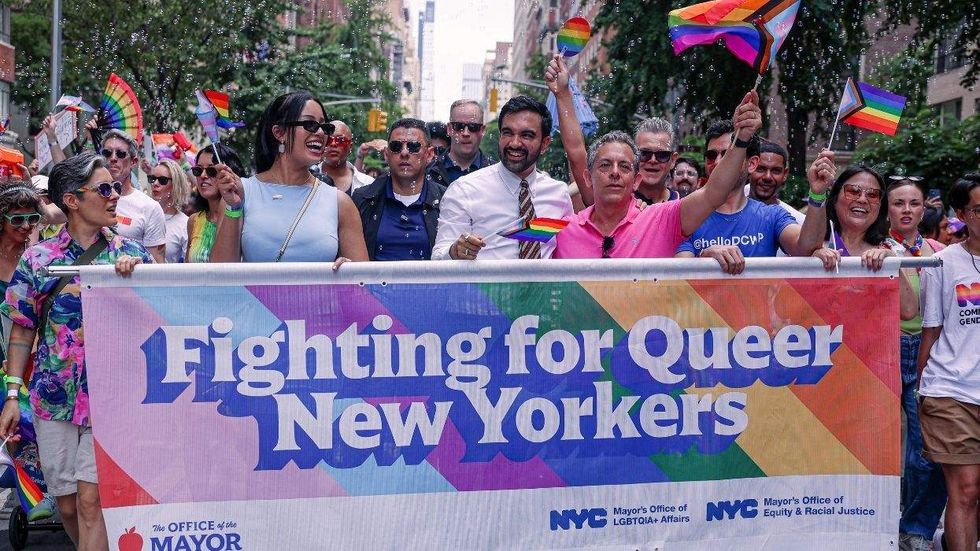
Eleven years after the U.S. Supreme Court ruled that same-sex couples have a constitutional right to marry, the Friday anniversary of Obergefell v. Hodges arrives in a country where marriage equality is deeply woven into American life and still treated by its opponents as unfinished business.The landmark June 26, 2015, decision transformed the legal status of LGBTQ+ families across the United States. It allowed same-sex couples to marry in every state, required states to recognize those marriages, and ensured their families were protected under the equal protection of the Constitution. It also made Jim Obergefell, an Ohio widower who sued to be listed as the surviving spouse on his husband John Arthur’s death certificate, one of the most recognizable names in modern civil rights law.Related: Kamala Harris hosts Pride Month reception honoring LGBTQ+ lives and the progress madeJim Obergefell says marriage equality could still be lostBut in a recent interview with The Advocate, Obergefell said he never expected that, more than a decade after the ruling bearing his name, LGBTQ+ people would again have reason to fear that marriage equality could be taken away.“I really didn’t think 11 years later we would have reason to fear that marriage would be lost,” he said. “But for almost 50 years, people didn’t think abortion rights would be lost because the Supreme Court believed in precedent. Well, they no longer do.”For Obergefell, the current threat feels different from the fight before 2015. Then, same-sex couples were demanding access to a right they had been denied. Now, millions of people have organized their lives, families, finances, and futures around a right that has existed for only a brief period in American history.“We were fighting for something we did not enjoy,” he said. “Well, now we’ve had 11 years of enjoying that right, of knowing our relationships, our marriages, our families are on a much more equal footing, and we stand to lose that.
Marriage equality turns 11 as conservatives renew their attacks on the fabric of America
This is a summary from The Advocate. Read the complete article on their website.
Read Full Article on The Advocate
Opens in a new tab. QueerLine is not responsible for third-party content.
The Advocate
This article was automatically aggregated from The Advocate, a trusted LGBTQ+ news outlet. QueerLine curates headlines from verified sources to keep the community informed.