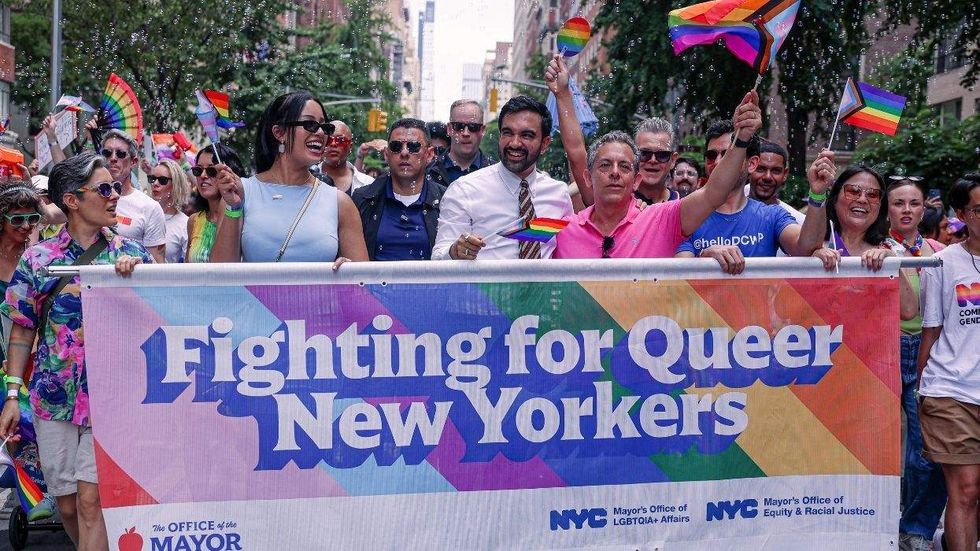
Every June, communities across the country come together to celebrate Pride Month. We celebrate visibility, progress, and the generations of LGBTQ+ people who fought for the right to live openly, participate fully in public life, and have their voices heard. But Pride is more than a celebration of how far we’ve come; it is also a reminder of the challenges that remain and the work still ahead.This year, that reminder comes in the form of a troubling new report from LGBTQ+ Victory Institute. While LGBTQ+ representation in government continues to grow, the report reveals that LGBTQ+ candidates are facing alarming levels of harassment, threats, and political violence. Nearly nine in 10 LGBTQ+ candidates say they fear harassment or attack if they run for office. One in three report receiving death threats, while more than half have changed how or where they campaign because they do not feel safe.These findings should concern everyone, regardless of political party or ideology. A healthy democracy depends on people from all backgrounds feeling empowered to participate in public life. When violence and intimidation become part of the political process, they do more than harm individual candidates; they discourage participation, silence voices, and weaken representative government itself.I know the impact of political violence firsthand.In 2011, I was a 20-year-old intern for Congresswoman Gabby Giffords when a gunman opened fire at a constituent event in Tucson. I helped keep her alive while we waited for emergency responders. Six people were killed and thirteen others were injured. That experience changed my life and reinforced my belief that public service matters. It also taught me that political violence is not an abstract concept debated in headlines or campaign talking points. It is real, traumatic, and capable of leaving lasting scars on victims, families, staff, and entire communities.Years later, while running for Congress myself, I experienced another side of
I survived political violence. LGBTQ+ candidates should not have to risk their lives to serve
This is a summary from The Advocate. Read the complete article on their website.
Read Full Article on The Advocate
Opens in a new tab. QueerLine is not responsible for third-party content.
The Advocate
This article was automatically aggregated from The Advocate, a trusted LGBTQ+ news outlet. QueerLine curates headlines from verified sources to keep the community informed.