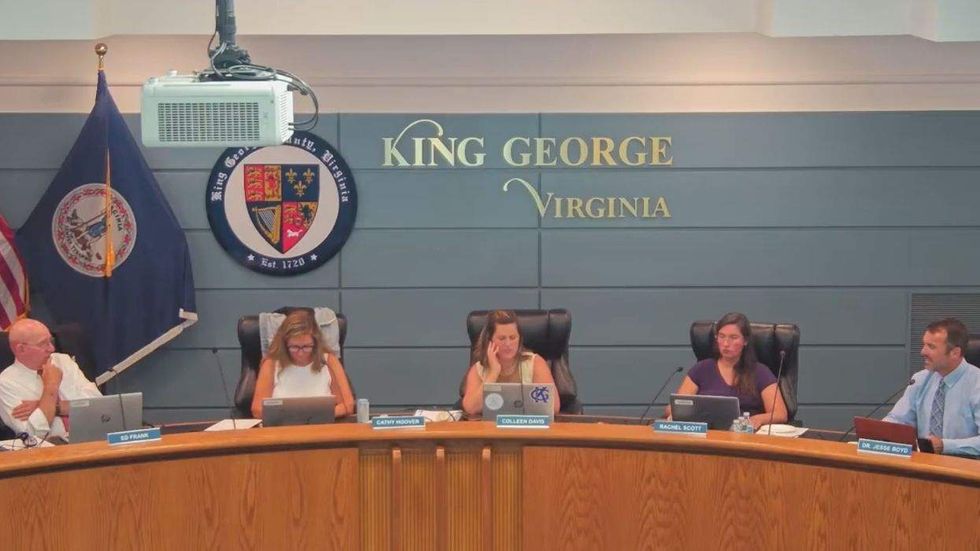
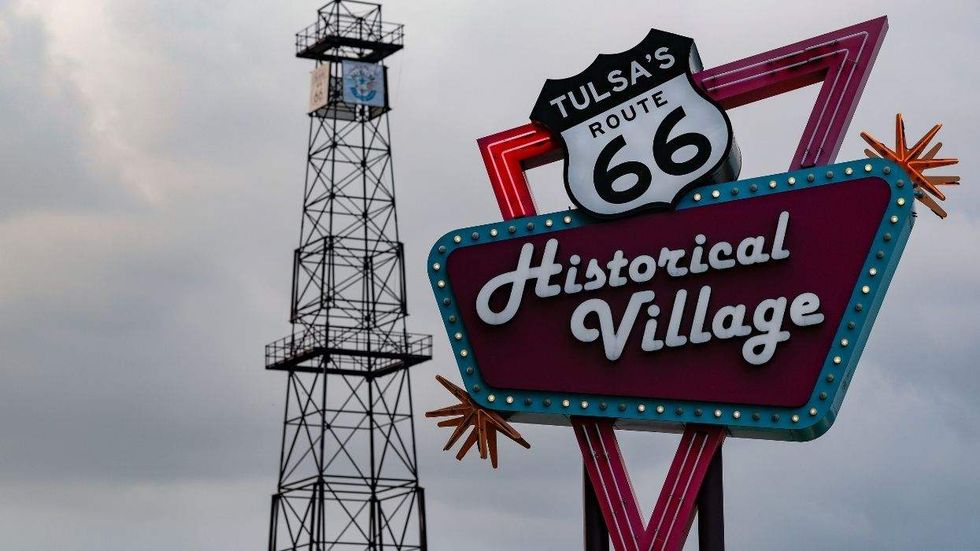
Sitting beneath a 40-foot-tall red neon cowboy boot sculpture of his own design, artist Cameron Eagle recounted his personal connection to Route 66.“My grandparents had a farm, and the route cut their farm in half,” Eagle said. “They didn’t get upset about it because it was just the way it was.”So what did Eagle’s grandparents do when cars began driving through the middle of their Oklahoma farm? They built an underpass to allow animals to move between the two sides. In the 1930s, when Oklahoma began paving Route 66, Eagle’s grandfather and his displaced mules helped build the road. By 1938, Route 66 had become the nation’s first fully paved highway.During my second week on the Mother Road, Route 66’s nostalgia gave way to something more complicated. In Oklahoma and Texas, I found communities shaped by highways, policing, racism, economic change, and anti-LGBTQ+ hostility. Again and again, Black and queer people had responded by rebuilding, preserving history, and creating their own systems of safety.Related: Dispatches from Route 66: Discover the queer stories hidden along the iconic road tripTulsa’s Route 66 is more than nostalgiaAs the officially designated Capital of Route 66, Tulsa could easily be a city stuck in nostalgia. Instead, I found it refreshingly progressive. At Mother Road Market, I could choose between jollof rice, sushi, gumbo, and dozens of other cuisines reflecting the city’s diversity. I browsed books from Kinara Bookstore, a pop-up bookseller focused exclusively on marginalized authors.By the time I reached Tulsa, I had made more than 20 stops along Route 66 to collect stamps in the Route 66 passport. I thought it would be a fun way to see places outside the cities where I planned to stay overnight. Some stops offered a look into Route 66 lore. Others, like the antique mall with a giant Trump statue out front, left me feeling completely unsafe.When I entered Buck Atom’s Cosmic Curios to get my stamp, I expected more stand
Dispatches from Route 66: How queer communities are rebuilding safety along the Mother Road
This is a summary from The Advocate. Read the complete article on their website.
Read Full Article on The Advocate
Opens in a new tab. QueerLine is not responsible for third-party content.
The Advocate
This article was automatically aggregated from The Advocate, a trusted LGBTQ+ news outlet. QueerLine curates headlines from verified sources to keep the community informed.