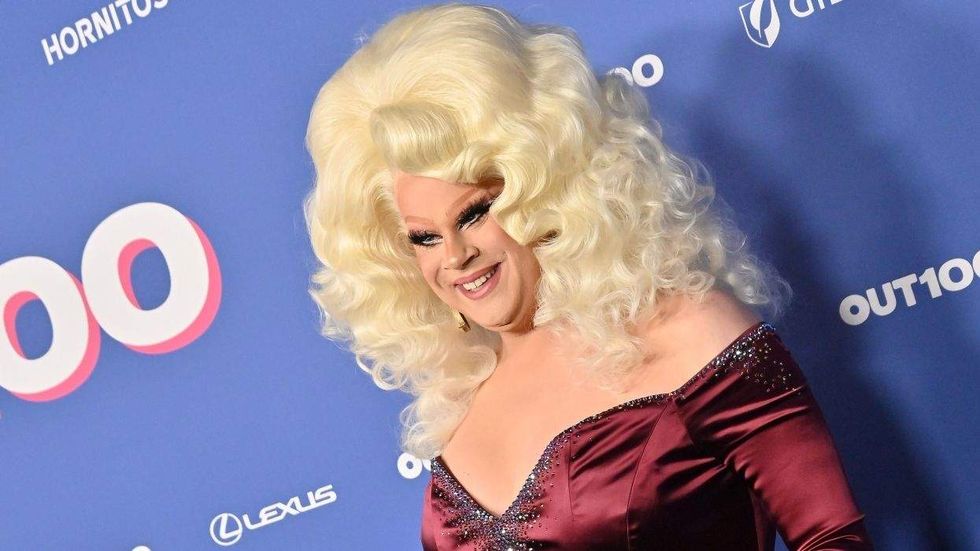
For most of her career, Nina West watched drag move steadily toward the center of American culture.The Columbus entertainer spent decades helping build Ohio's drag community, long before a run on RuPaul's Drag Race turned her into one of the state's most recognizable LGBTQ+ figures. Drag brunches became commonplace. Television audiences numbered in the millions. Performers raised money for charities, packed theaters, and became fixtures of civic life.Now West finds herself defending the legitimacy of drag itself."It's really incredibly dehumanizing," West told The Advocate. "To hear these people talk about and try to legislate and put parameters on the thing that I do for a living."The fight centers on House Bill 249, the "Indecent Exposure Modernization Act," which passed the Ohio House in March and now awaits consideration in the Senate, where it has stalled. Supporters say the legislation strengthens existing indecency laws and protects children from sexually explicit performances. Critics argue it goes much further, creating broad restrictions that could affect drag performers, venues, and transgender Ohioans.The concern extends beyond drag performers themselves. Opponents of the legislation argue that by tying "adult cabaret" restrictions to expressions of gender identity, the bill risks creating confusion about who can safely exist in public spaces. Several performers who spoke with The Advocate worried that transgender and gender-nonconforming Ohioans could face increased scrutiny, harassment, or accusations simply for how they dress, present themselves, or move through everyday life."The people who this bill would directly affect are scared," West said.Across Ohio, other performers told The Advocate much the same thing.For Carmen Berry, a Black transgender woman, drag artist, and Equality Ohio staff member, the fear starts before she even leaves home."I have to wake up and give myself the full protection of armor every time I walk out of the house," Berry sa
Nina West helped make drag mainstream. Now she's fighting Ohio's proposed drag ban
This is a summary from The Advocate. Read the complete article on their website.
Read Full Article on The Advocate
Opens in a new tab. QueerLine is not responsible for third-party content.
The Advocate
This article was automatically aggregated from The Advocate, a trusted LGBTQ+ news outlet. QueerLine curates headlines from verified sources to keep the community informed.