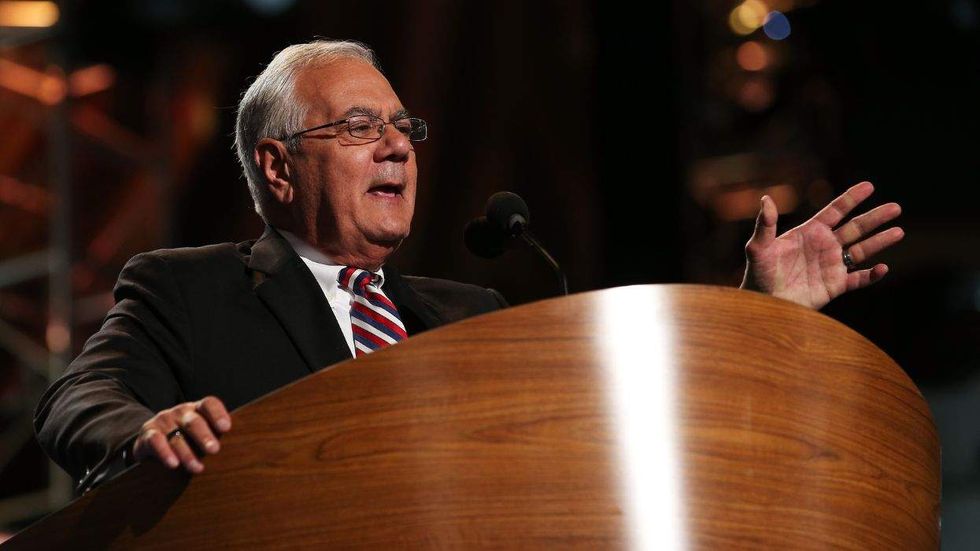
Barney Frank, the trailblazing Massachusetts congressman whose razor-sharp political instincts and unapologetic visibility helped reshape both American liberalism and LGBTQ+ representation in public life, has died at 86, according to The Boston Globe.Frank died Tuesday night after recently entering hospice care at his home in Ogunquit, Maine, where he had been battling congestive heart failure, the Globe reported.For more than three decades in Congress, Frank stood at the center of some of the country’s defining political battles, from the AIDS crisis and gay rights movement to the fallout of the 2008 financial collapse. Equal parts policy architect and cable news combatant, he became one of the Democratic Party’s most recognizable liberals while also emerging as one of the most consequential out gay politicians in American history.Born Barnett Frank in Bayonne, New Jersey, on March 31, 1940, he graduated from Harvard College before later earning a law degree from Harvard Law School. He entered Massachusetts politics in the 1970s, serving in the state House before winning election to Congress in 1980.Related: From hospice, Barney Frank urges Democrats to rethink trans rights approachIn 1987, at a time when few national politicians were openly gay, and the AIDS epidemic was devastating LGBTQ+ communities, Frank publicly came out, becoming the first member of Congress to voluntarily do so while in office. The decision transformed him into a symbol of a rapidly changing political era and helped push LGBTQ+ visibility deeper into mainstream American life.Frank also became one of Congress’s most persistent advocates for federal LGBTQ+ civil rights protections. For years, he championed the Employment Non-Discrimination Act, known as ENDA, legislation intended to ban workplace discrimination based on sexual orientation and, later, gender identity. The effort consumed much of Frank’s congressional career but repeatedly stalled amid Republican opposition and division
Barney Frank, trailblazing gay former congressman, has died at 86
This is a summary from The Advocate. Read the complete article on their website.
Read Full Article on The Advocate
Opens in a new tab. QueerLine is not responsible for third-party content.
The Advocate
This article was automatically aggregated from The Advocate, a trusted LGBTQ+ news outlet. QueerLine curates headlines from verified sources to keep the community informed.