This story originally appeared on Out.On a Sunday afternoon, after a five-mile run from the Upper West Side down to the West Village, I met up with an old friend at a small corner café. Back in college when we met, 2014 "Tipping Point" still felt like a promise to so many, including women like us, as though visibility, once attained, could only move in one direction, never to go back. She greeted me with the kind of smile you only get from someone who has known you a long time, who has witnessed the good years and the frightening ones both. We did the easy part first: the catching up, marveling at our own milestones, the long loop through politics and culture. We reviewed the last decade. She now works as a mid-level manager in tech, one of those companies that flew the rainbow and has lately gone hard the other way. It was only over the second coffee, though, that she told me the rest: She, too, had gone quiet this past year. Her blog, archived. Her name scrapped off the web. She told it like a confession, like she expected me to be disappointed in her.Yet, what surprised me is that she had not stopped doing any of the actual work — she had just stopped doing it where it could be seen. And I realized we had been circling it the whole afternoon without naming it, in a lower register, the conversation the whole movement is grappling with right now: what visibility costs. Before we parted, she asked what I was doing for Pride this year. I didn’t have a clean answer either. Walking back toward the subway near Christopher Street, where NYC Pride still centers itself every June, I thought about how much we've come to measure the movement by how visible it is. The brighter the displays, the louder and more various the voices, the more rainbows in windows and across sidewalks, the healthier we assume things must be. So, when the visible signals dim such as when the corporate logos revert, when people go quiet, when every media report seems to be another account of the
The case for going stealth this Pride
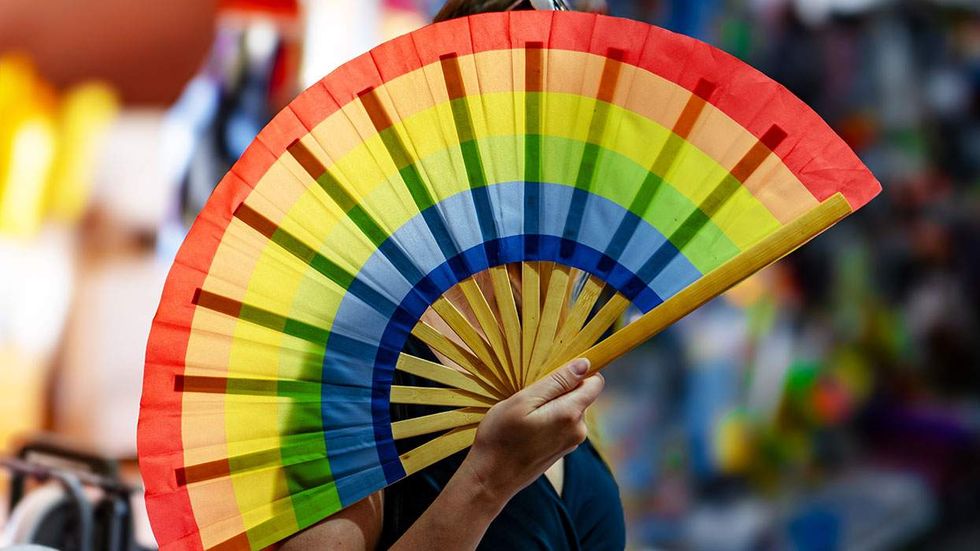
This is a summary from The Advocate. Read the complete article on their website.
Read Full Article on The Advocate
Opens in a new tab. QueerLine is not responsible for third-party content.
The Advocate
This article was automatically aggregated from The Advocate, a trusted LGBTQ+ news outlet. QueerLine curates headlines from verified sources to keep the community informed.