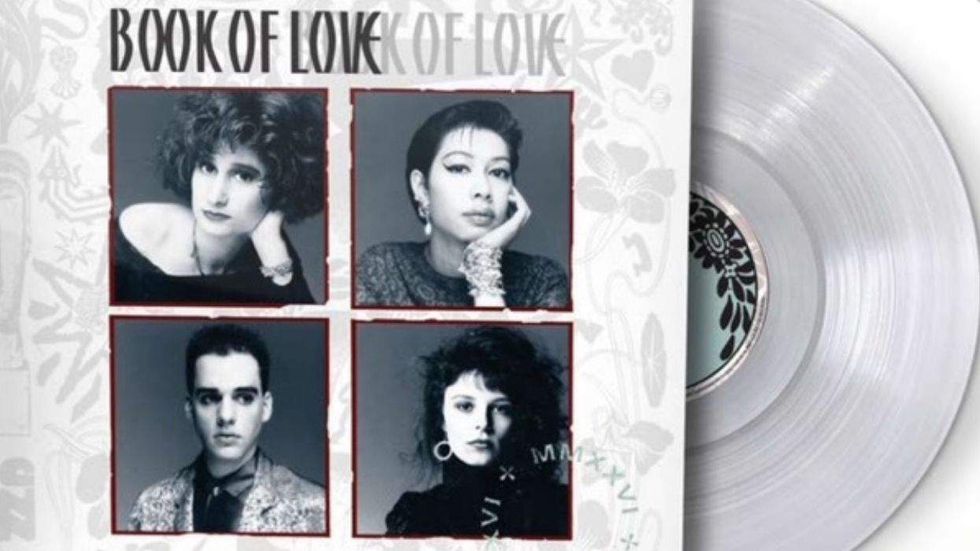
There is a certain kind of song that doesn't just play. It marks you.It pins a memory to a moment so precisely that decades later, you can still feel the strobe lights and smell the fog machine. "Boy," by the synth-pop pioneers Book of Love, is that kind of song. Nearly four decades after its release, an extraordinary number of people will tell you the same thing: They remember exactly where they were the first time they heard it.That kind of staying power doesn't happen by accident. It happens when a song is built on something true. To understand what Book of Love were doing, you have to understand where they were doing it.New York City's East Village of the early 1980s was not yet a destination. It was a refuge.Artists, musicians, drag queens, and queer kids moved between clubs and coffee shops. The neighborhood was rough around the edges and alive with opportunity. People arrived looking for freedom, reinvention, or simply a place where they might belong.It was also a neighborhood formed by contradictions. The same community that accepted outsiders could still draw lines around who was welcome.Related: The history of the circuit party: Transforming LGBTQ+ political pain into powerDancing through the AIDS crisisBook of Love emerged from that world. The Philadelphia-formed synth-pop quartet consists of Susan Ottaviano, Ted Ottaviano, Jade Lee, and Lauren Roselli. Susan and Ted, although sharing a surname and growing up in the same Connecticut town, are not related.The group caught the attention of legendary Sire Records founder Seymour Stein, whose roster included Madonna, Talking Heads, The Ramones, and Depeche Mode. Book of Love helped establish an American counterpart to the British synth-pop explosion. Jade Lee (left), Lauren Roselli, Susan Ottaviano and Ted Ottaviano (back), are Book of Love.Michael HalsbandTheir self-titled debut album arrived on April 1, 1986. But even before its release, the band had begun building a devoted following, opening for Depeche M
‘You remember where you were the first time you heard it’: On Book of Love and their queer anthem
This is a summary from The Advocate. Read the complete article on their website.
Read Full Article on The Advocate
Opens in a new tab. QueerLine is not responsible for third-party content.
The Advocate
This article was automatically aggregated from The Advocate, a trusted LGBTQ+ news outlet. QueerLine curates headlines from verified sources to keep the community informed.