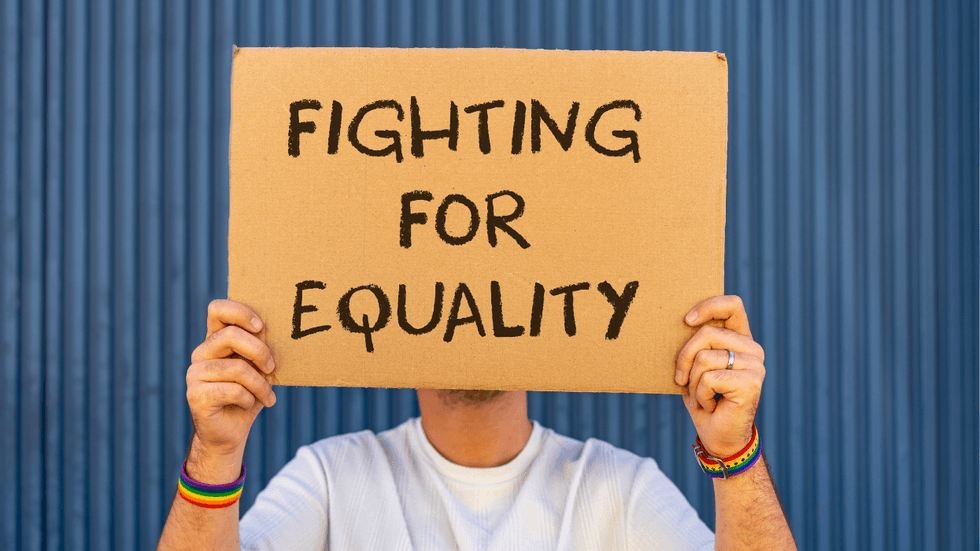
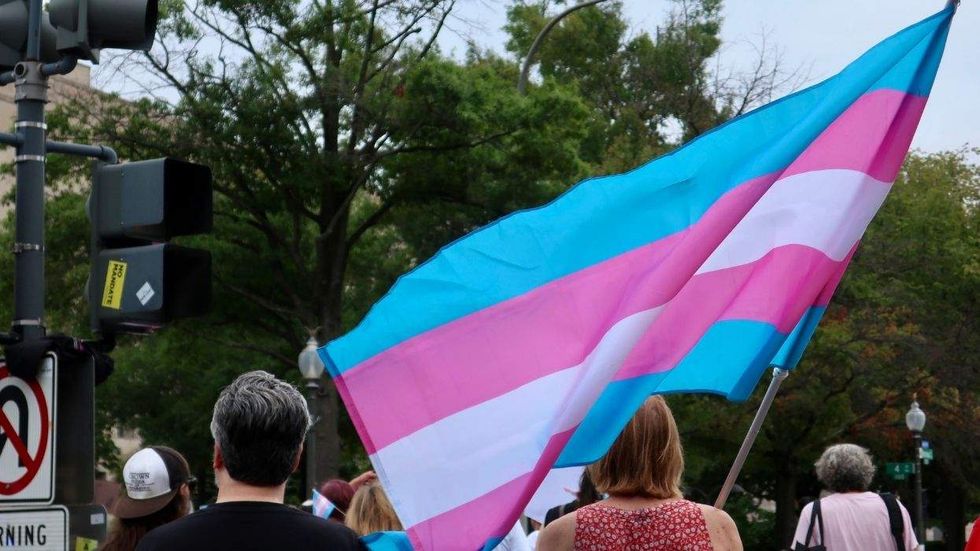
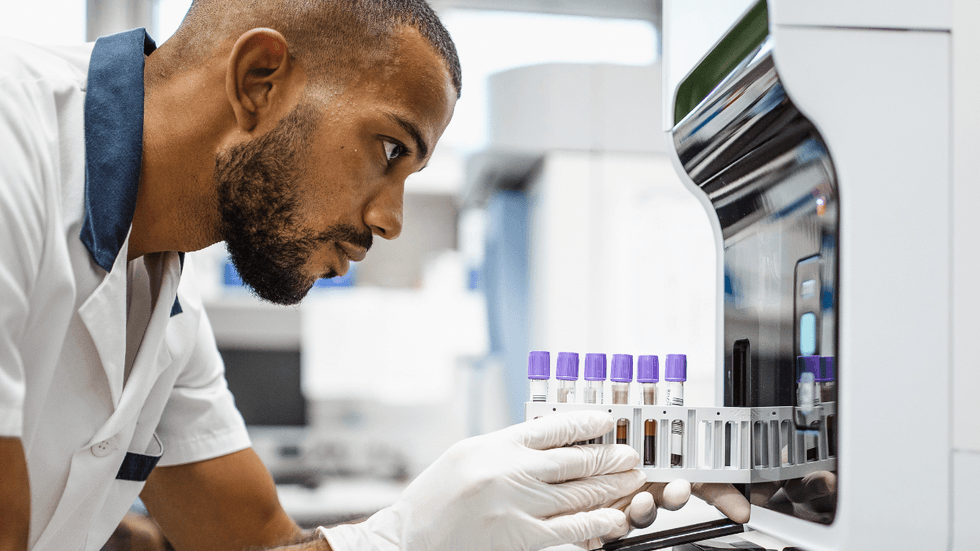
Forty-five years into the HIV epidemic, the pursuit of a safe and effective preventive HIV vaccine remains as important as ever. Scientists conducting the research, community members serving as clinical trial volunteers, the Community Advisory Boards (CABs) helping to guide the science, and advocates fighting for sustained funding all continue working toward one of the movement’s most urgent and enduring goals: a safe and effective preventive HIV vaccine.Today, we have tools that previous generations fought, marched, researched, and organized to make possible. Pre-Exposure Prophylaxis (PrEP) and Post-Exposure Prophylaxis (PEP) have changed the prevention landscape. HIV treatment has transformed the lives of people living with HIV. We now know that when people living with HIV are on treatment and maintain an undetectable viral load, they do not transmit HIV sexually. So, does an HIV vaccine still matter?The answer is not complicated. Treatments require access, adherence, and continuity of care. PrEP works, but only for those who can get it and stay on it. Every tool we have depends on a system reaching the people who need it, and our healthcare system has never reached everyone. A vaccine does not require a prescription, a refill, or a system that sees you and treats you with dignity. It works regardless.An HIV vaccine is the tool that could change the math permanently, not just for people with access to good healthcare, but for everyone. It would not replace the other prevention tools we have. It would strengthen our prevention toolbox. It would give people and communities another option. And, if developed and delivered equitably, it could help close the gaps that current systems do not.The scientific challengeHIV is one of the most scientifically challenging targets for a vaccine researcher to tackle. The virus mutates in ways that have confounded standard vaccine approaches for decades. It integrates itself into the body’s own cells. It evades immune responses
The pursuit continues: Why an HIV vaccine still matters
This is a summary from The Advocate. Read the complete article on their website.
Read Full Article on The Advocate
Opens in a new tab. QueerLine is not responsible for third-party content.
The Advocate
This article was automatically aggregated from The Advocate, a trusted LGBTQ+ news outlet. QueerLine curates headlines from verified sources to keep the community informed.