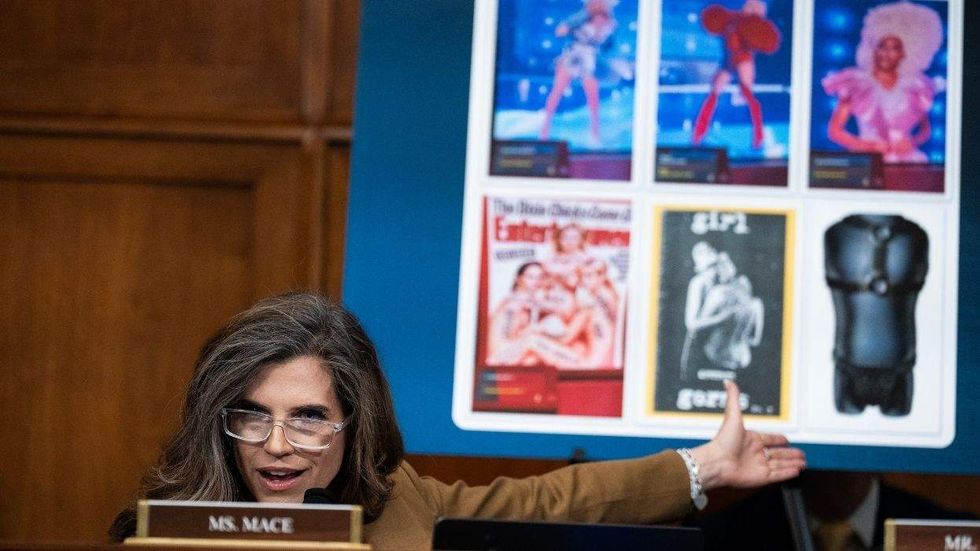
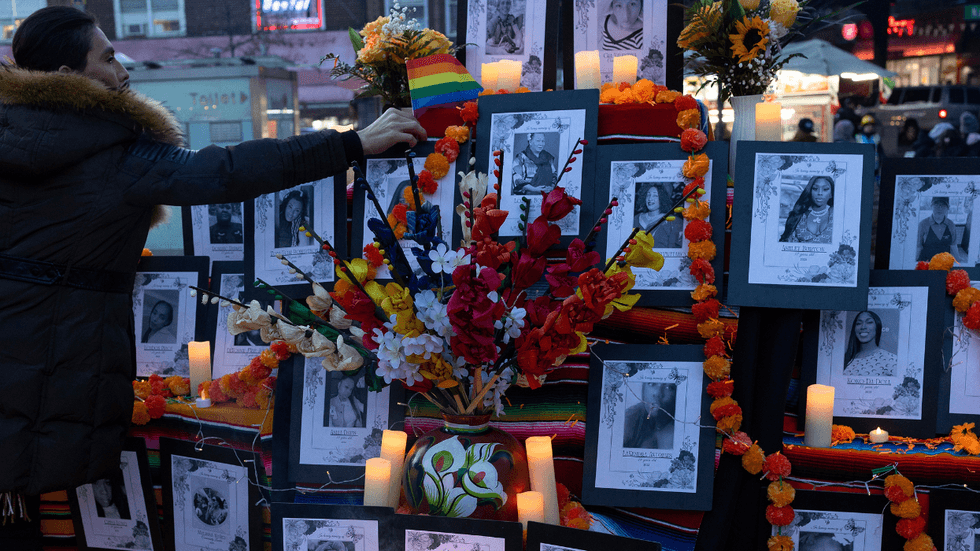
When I was in high school, a kid named Matthew Shepard was murdered, beaten, and left tied to a fence in Wyoming because he was gay. I grew up in a culture that did not feel very far away from that world at all, both culturally and geographically. Northwest New Mexico and Wyoming had a lot in common.I was out very young, never ever in the closet.One of my most searing memories in high school was my geometry teacher pulling me aside after class one day. Very quietly, he simply said I needed to protect myself and be careful not to “end up like Matthew Shepard.”He was very sincere and meant it in the kindest way. The assumption that this was a thing that could happen to someone like me. That violence existed somewhere on the horizon already and that managing my visibility correctly might help me avoid it. My dad had already taught me how to fight, realizing I would need to be able to defend myself, but if faced with a group who wanted me dead, I wouldn’t fare so well. After high school, I left home as soon as I could afford to make enough money to move to NYC, skipping college altogether. It’s unimaginable to me that kids in the LGBTQ+ community go to school today with that same fear I lived with for so many dreadful years.With blood on their hands, American politicians are still cramming anti-LGBTQ+ legislation through the system at an unprecedented pace. People are being attacked. People are being killed. And for what? Cheap political points with an out-of-control evangelical base?A 19-year-old transgender student at the University of Washington, Juniper Blessing, was stabbed to death this spring. Another devastated family was suddenly forced into public grief while strangers online debated whether their child’s existence itself had been political.At the same time, lawmakers in Ohio pushed forward restrictions on Medicaid coverage for transgender people, inserting the state directly into the machinery of health care access while delivering carefully rehears
America is renormalizing violence against queer people
This is a summary from The Advocate. Read the complete article on their website.
Read Full Article on The Advocate
Opens in a new tab. QueerLine is not responsible for third-party content.
The Advocate
This article was automatically aggregated from The Advocate, a trusted LGBTQ+ news outlet. QueerLine curates headlines from verified sources to keep the community informed.