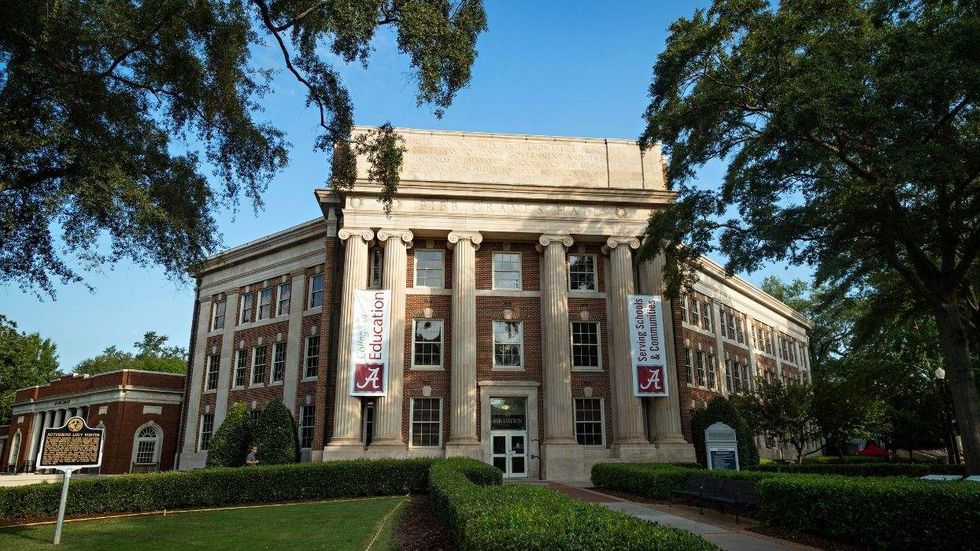
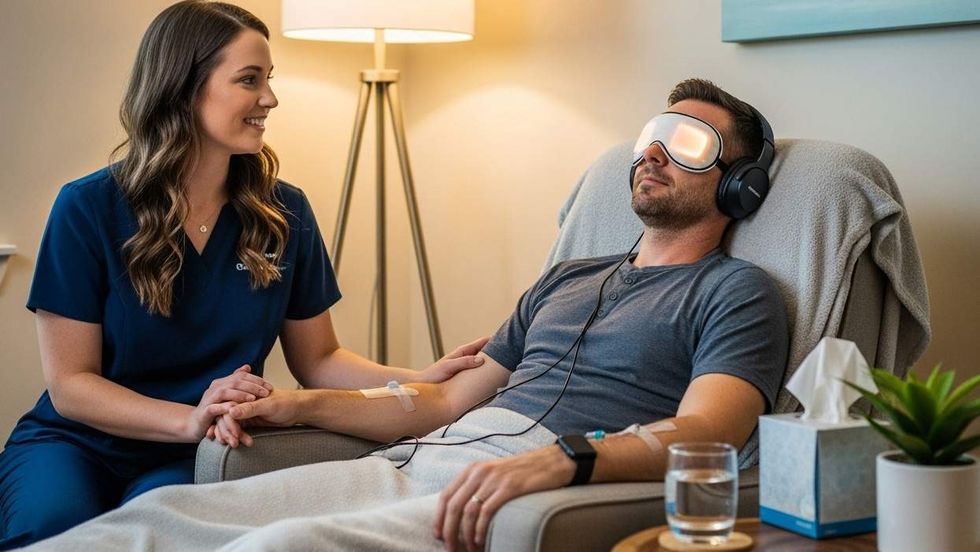
Gregory, a Black gay man from Virginia, clearly remembers the first time. He was 18 or 19, at an after-party, surrounded by grown adults with careers and lives. Someone was sitting at a table. Would you like some? A little white powder, a little white line. He said yes. Gregory felt a pleasant buzz while everyone else was dissolving into the floor. “I realized whatever it is, we did the same thing, but it affects me differently,” he says now, at 45, laughing at the memory.For a certain generation of queer people — those who came of age in the late ’90s and early 2000s — when gay clubs were their own sovereign nations with their own customs and pharmacopeias, ketamine was simply part of the landscape. You cooked it in the oven, scraped it from the Pyrex dish, and sorted it into little vials. “I loved all that,” Gregory says. You did a bump in the bathroom, another on the dance floor, and you felt the music differently. Time stopped meaning anything. Everyone around you, their outfits and their dancing and their whole beautiful existence, became more vivid, more present, more real. A ketamine therapy room at MindPeace Clinic in Richmond, VirginiaChristopher WigginsWhat nobody on those dance floors was thinking about was neuroplasticity, the brain’s ability to rewire itself, to break old patterns and build new ones. Twenty-odd years later, that’s exactly what scientists believe ketamine is doing.The dissociative anesthetic used in operating rooms for more than 50 years is now producing results in treating depression, anxiety, PTSD, and suicidal ideation that leave physicians quietly astonished. The queer community didn’t invent ketamine, but it got there first.“One of the things that the LGBTQIA+ queer community has shown us,” says Shelby Hartman, cofounder of Double Blind and coauthor of The Double Blind Guide to Psychedelics, “is that being on the dance floor, being in community, with the support of a substance that can help you feel connect
Ketamine’s journey from club drug to promising depression treatment
This is a summary from The Advocate. Read the complete article on their website.
Read Full Article on The Advocate
Opens in a new tab. QueerLine is not responsible for third-party content.
The Advocate
This article was automatically aggregated from The Advocate, a trusted LGBTQ+ news outlet. QueerLine curates headlines from verified sources to keep the community informed.