My mouth tightened the moment I saw the headline, "I’m Gay, Not Queer. It Matters." As a Black, queer person living in America, I immediately wondered if the author was white and cisgender.Turns out, he was.The terms “gay” and “queer” are not synonymous. When someone says “gay” to me these days, I think of cisgender. What comes to mind are people who say they’re “woke” but are silent as transgender people across the country are attacked. I think of being locked into acting how the heterosexual society wants our community to act.I think of palatable.Queer is often associated with describing the LGBTQ+ spectrum, an umbrella term of sorts. The word “queer” for many has been reclaimed — from a derogatory slur to a word of empowerment. This reclamation began after the 1969 Stonewall Rebellion, where our community fought against police raiding the Stonewall Inn, a place of gathering for queer people. Over time, the word has come to be a term of inclusion for many. It is a term that describes how many people live outside of the binary of male and female, and how sexual orientation and identity can be fluid over time. The word has transformed into a statement of empowerment, of “potential and a future, not something that is stagnant.”Queerness is also an emphatic no to the cisgender, male-centric, ableist, White, inflexible way we've been taught that we "must" live from a young age.My own evolution from calling myself gay to calling myself queer has been integral to who I am today. When I was outed in sixth grade by a classmate as the only gay person in my Catholic middle school, I remember the fear that I'd be physically assaulted. I'd seen how queer people were talked about in newspapers. I'd heard about the violence we experience at higher rates than our straight cisgender peers. When friends asked me at my locker at the end of that day if I was indeed gay, I breathed deeply and said "Yes." I'm fortunate that my friends accepted me and shiel
I’m queer, not gay. It matters.
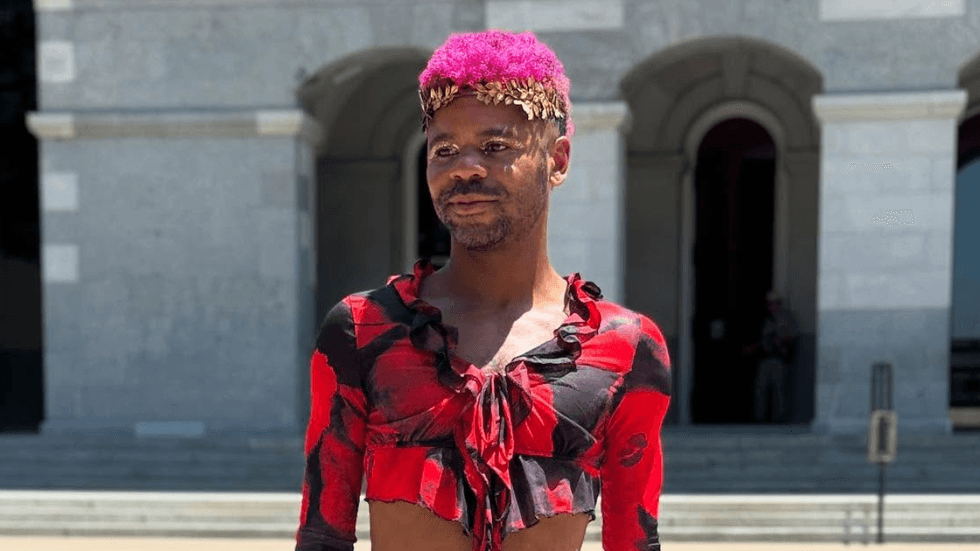
This is a summary from The Advocate. Read the complete article on their website.
Read Full Article on The Advocate
Opens in a new tab. QueerLine is not responsible for third-party content.
The Advocate
This article was automatically aggregated from The Advocate, a trusted LGBTQ+ news outlet. QueerLine curates headlines from verified sources to keep the community informed.