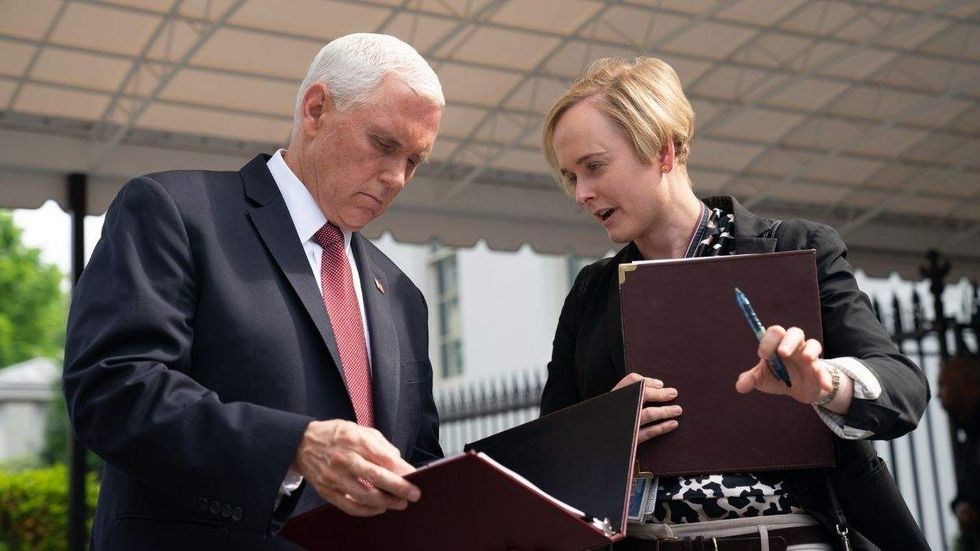
When I decided to invest in Fire Island Pines, I wasn’t just buying a business.I was investing in one of the most important places in LGBTQ+ history.For generations, Fire Island has been a place where people found community, connection, and belonging. Long before social media connected LGBTQ+ people, Fire Island did. It became a refuge, a cultural institution, and a symbol of what it means to build community.Just a year ago, however, that future felt uncertain.Extreme weather and erosion had devastated portions of the beach. The protective dunes separating the Atlantic Ocean from Fire Island were disappearing, raising real concerns about the long-term future of one of New York’s most iconic LGBTQ+ destinations.That’s why Governor Kathy Hochul’s commitment to protecting Fire Island mattered.The state’s partnership with the Army Corps of Engineers to restore and strengthen the coastline didn’t just protect homes and businesses. It provided certainty. It gave residents, business owners, and investors confidence that Fire Island would remain a part of New York’s future.Just as importantly, it demonstrated that New York understands the importance of preserving places like Fire Island. Protecting the Island wasn’t simply an environmental or economic decision. It was an investment in a community and its future.That certainty is what allows people like me to invest.Today, we’re investing millions of dollars into Fire Island businesses, events, entertainment, and infrastructure because we believe in the Island’s future. Those investments create jobs, drive tourism, support local businesses, and help ensure Fire Island remains vibrant for the next generation.But preserving communities requires more than protecting places. It also means protecting people.As the founder of MISTR, the nation’s largest provider of free online PrEP and long-term HIV care, I spend my days focused on another challenge facing our community: health care access.Forty-five years af
What HIV prevention and Fire Island's beach restoration have in common
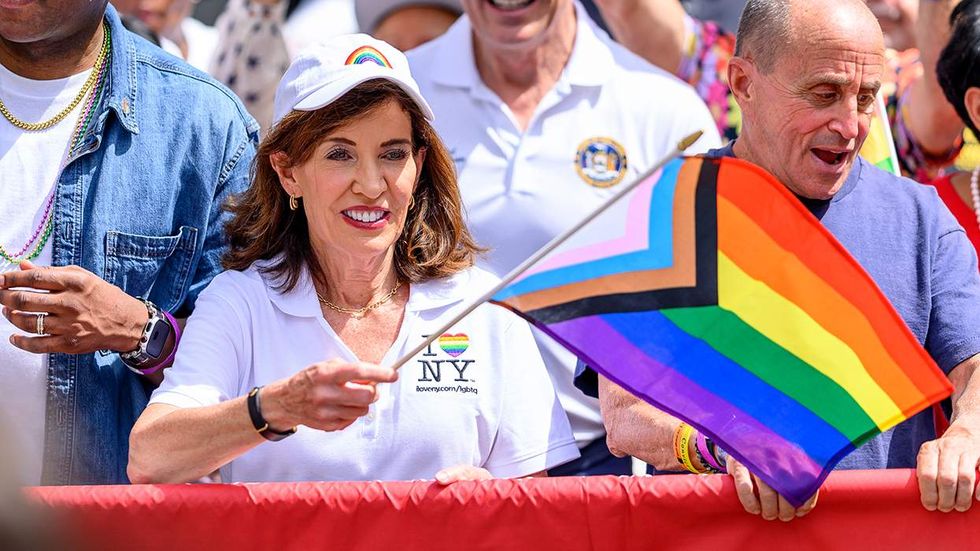
This is a summary from The Advocate. Read the complete article on their website.
Read Full Article on The Advocate
Opens in a new tab. QueerLine is not responsible for third-party content.
The Advocate
This article was automatically aggregated from The Advocate, a trusted LGBTQ+ news outlet. QueerLine curates headlines from verified sources to keep the community informed.